
Pest Control Marketing: How to Get More Customers Online
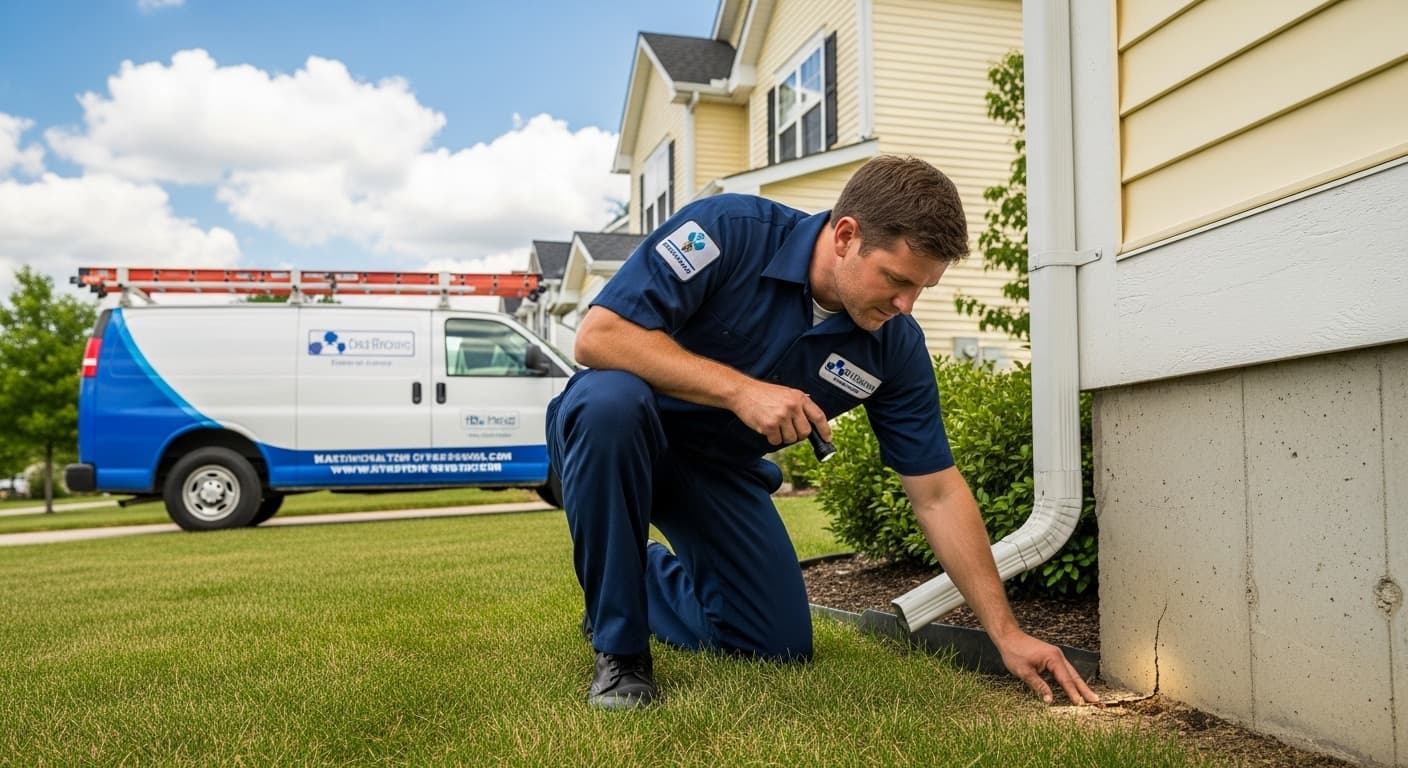
Pest control is a $23 billion industry in the US, and it is growing every year. But growth means competition, and competition means the days of building a pest control business on Yellow Pages ads and door knocking alone are over.
Today, when a homeowner discovers termites or wakes up to a rodent problem, they grab their phone and search Google. If your pest control company does not show up in that search, you are invisible — and a competitor is getting that call instead.
This guide breaks down the pest control marketing strategies that actually generate customers, from quick-win tactics to long-term growth systems.
Why Pest Control Marketing Is Unique
Pest control has specific characteristics that shape your marketing strategy:
Urgency drives behavior. Nobody casually browses for pest control. When someone finds bed bugs, sees a mouse, or notices termite damage, they want the problem solved immediately. Your marketing needs to capture this urgency with fast-response ads and easy-to-contact web presence.
Recurring revenue potential is massive. Unlike one-time contractors, pest control companies can sell quarterly or monthly maintenance plans. A $50/month customer is worth $600/year and will stay for years if the service is good. Marketing to acquire that first customer has enormous lifetime value.
Pest-specific searches create targeting opportunities. Homeowners do not just search "pest control." They search for specific pests: "bed bug exterminator," "termite treatment," "ant control," "rodent removal." Each pest is a separate marketing opportunity.
Seasonality varies by pest. Ants and mosquitoes peak in summer. Rodents peak in fall and winter. Termites are year-round but inspections spike in spring. Your marketing calendar should align with these patterns.
Strategy 1: Google Business Profile Domination
Your Google Business Profile is the front door to your pest control business. When someone searches "pest control near me" or "exterminator [city]," the Map Pack is the first thing they see.
Optimizing your GBP for pest control:
- Primary category: "Pest control service." Secondary categories: "Exterminator," "Termite control service," "Wildlife control service."
- Service list: Add every pest you treat with descriptions. Be specific — "bed bug treatment," "termite inspection," "rodent exclusion," "mosquito treatment," "ant control," "cockroach extermination," "wildlife removal."
- Business description: Include your service area, pest types you treat, mention of eco-friendly or family-safe options if applicable, and your years of experience.
- Photos: Upload photos of your team, branded vehicles, equipment, and (with permission) before/after of pest damage remediation. Avoid gross pest close-ups — focus on professionalism.
- Posts: Share seasonal pest alerts ("It's termite swarm season in [city] — schedule your free inspection"), safety tips, and special offers.
- Q&A section: Populate with common questions about safety, pricing, warranty, and treatment processes.
Strategy 2: Pest-Specific SEO
SEO for pest control companies is highly effective because there are hundreds of pest-specific keywords to target, and many competitors have generic, poorly optimized websites.
Build Individual Pest Pages
This is the most important SEO strategy for pest control companies. Create a dedicated page for every pest you treat:
- Termites — "Termite treatment [city]," "termite inspection [city]"
- Bed bugs — "Bed bug exterminator [city]," "bed bug treatment [city]"
- Ants — "Ant control [city]," "ant exterminator [city]"
- Cockroaches — "Cockroach exterminator [city]," "roach control [city]"
- Rodents — "Mouse exterminator [city]," "rat control [city]," "rodent removal [city]"
- Mosquitoes — "Mosquito control [city]," "mosquito treatment [city]"
- Wasps/hornets/bees — "Wasp removal [city]," "hornet nest removal"
- Spiders — "Spider control [city]"
- Fleas/ticks — "Flea treatment [city]"
- Wildlife — "Raccoon removal [city]," "squirrel removal [city]" (if you offer this)
Each page should explain the pest, signs of infestation, health risks, your treatment process, and pricing information. Include a CTA to schedule an inspection or call for immediate service.
Why this works: When someone searches "bed bug exterminator [city]," Google shows the page specifically about bed bug treatment, not a generic "pest control" page. Specificity wins in SEO.
Content Marketing for Pest Control
Blog content captures informational searches and builds trust:
- "How much does termite treatment cost?" — massive buyer-intent keyword
- "How to tell if you have bed bugs" — high volume, converts to service calls
- "Are [pest] dangerous?" — for every major pest, this is a common search
- "How to prevent ants in your kitchen" — seasonal content, builds authority
- "What to do if you find termite damage" — targets homeowners in panic mode
- "Is pest control safe for pets and children?" — addresses the biggest objection
- "DIY pest control vs. professional exterminator" — comparison content that positions professional service as the better choice
Publish 2-4 articles per month. Target one keyword per article. Write for homeowners, not pest control professionals.
Strategy 3: Google Ads for Pest Control
Google Ads for pest control is one of the most effective contractor advertising channels because of the urgency factor. Someone searching "exterminator near me" is ready to book right now.
Campaign Structure
Emergency/urgent campaign:
- Keywords: "pest control near me," "exterminator near me," "emergency pest control," "same day pest control"
- Run 24/7 with call-only ads
- These leads convert at the highest rate
- Bid aggressively — speed of response matters
Pest-specific campaigns (create separate campaigns for high-value pests):
- Termite campaign: "termite treatment," "termite inspection," "termite exterminator"
- Bed bug campaign: "bed bug treatment," "bed bug exterminator"
- Rodent campaign: "mouse exterminator," "rat control," "rodent removal"
- General pest campaign: "ant control," "cockroach exterminator," "spider control"
Maintenance plan campaign:
- Keywords: "pest control plan," "quarterly pest control," "monthly pest service"
- These customers have the highest lifetime value
- Highlight the value proposition: "Starting at $X/month — all common pests covered"
Local Service Ads:
- Set up LSAs for "Google Guaranteed" trust badge
- Pay per lead instead of per click
- Appear at the very top of search results
- Particularly effective for pest control because homeowners want verified, trustworthy exterminators in their home
Key Google Ads Tips for Pest Control
- Seasonal bid adjustments: Increase bids for ant/mosquito keywords in spring/summer and rodent keywords in fall/winter.
- Negative keywords are critical: Exclude "DIY," "homemade," "natural remedies," "pest control jobs," "pest control salary."
- Use ad extensions: Add callout extensions with "Same Day Service," "Free Inspections," "Eco-Friendly Options," "Licensed & Insured."
- Landing pages matter: Send termite ad clicks to your termite page, not your homepage. Match the ad to the landing page for higher conversion rates.
Strategy 4: Review Strategy for Pest Control
Reviews are crucial in pest control because homeowners are letting someone into their home, often around their family and pets. Trust is the deciding factor.
Building reviews systematically:
- Text a review request after every service visit. Not just the first visit — ongoing customers should be asked periodically (every 3-6 months for maintenance clients).
- Include a one-tap Google review link. Remove all friction from the process.
- Ask technicians to set the stage. "If you were happy with the service, we would really appreciate a Google review. It helps other families in [city] find reliable pest control."
- Respond to every review. Thank positive reviewers specifically. Address negative reviews professionally and offer resolution.
Target: 10-20 new reviews per month. Pest control companies complete many jobs per day, giving you more review opportunities than most contractors. Take advantage of this volume.
Strategy 5: Pest Control Website Optimization
Your website needs to convert visitors who are often panicking about a pest problem. Speed, clarity, and trust are paramount.
Critical website elements:
- Click-to-call phone number in a sticky header — the most important element on your site
- "Get a Free Inspection" form above the fold on every page
- Trust signals: License numbers, insurance, EPA certifications, "family and pet safe" messaging, BBB rating, review stars
- Individual pest pages (described in SEO section) — each pest gets its own page with treatment info
- Service plan comparison — clearly display your maintenance plan options with pricing
- FAQ section addressing safety, pricing, and treatment process
- Service area page listing every city you serve
- Same-day or next-day service messaging — if you offer it, make it prominent
Strategy 6: Retention and Upselling
Pest control is a recurring revenue business. Your marketing should not stop after acquiring the customer — it should convert one-time customers into maintenance plan subscribers.
Retention marketing tactics:
- Post-service email sequence: After a one-time treatment, send a 3-email sequence over 30 days educating the customer on why ongoing prevention is more effective and affordable than reactive treatments.
- Seasonal reminders: Email your customer list before each pest season with relevant alerts and an offer to schedule preventive treatment.
- Annual renewal campaigns: 30 days before a maintenance plan expires, send a renewal offer with a loyalty discount.
- Referral program: Offer one free treatment or $50 credit for every new customer referred. Pest control has high word-of-mouth potential because everyone encounters pests.
Pest Control Marketing Calendar
January-February: Ramp up rodent control campaigns. Create content about spring pest prevention. Plan your annual marketing budget.
March-April: Launch ant, termite, and general pest campaigns. Peak termite swarm season in many regions. Push maintenance plan signups.
May-June: Peak season begins. Maximum ad spend. Mosquito treatment campaigns launch. Social media push with seasonal content.
July-August: Maintain peak season advertising. Push maintenance plans to one-time summer customers. Document and photograph completed treatments.
September-October: Transition to fall pest messaging (rodents, spiders, stink bugs). Ramp up rodent exclusion campaigns. Send fall prevention reminders to customer base.
November-December: Rodent season peaks. Reduce overall ad spend but maintain rodent and wildlife campaigns. Plan next year's strategy. Send holiday communications to customer list.
Grow Your Pest Control Business
Pest control is one of the best contractor businesses for digital marketing because demand is constant, searches are urgent, and the recurring revenue model means every new customer has massive lifetime value. The companies that invest in a systematic marketing approach — GBP optimization, pest-specific SEO, targeted Google Ads, and automated review collection — are the ones dominating their markets.
For the complete strategy framework, read our contractor marketing guide and our local SEO guide for contractors.
Ready to build a marketing system that generates predictable pest control leads? Get a free SEO audit to see where you stand, check our pricing, or contact our team to discuss a strategy built for your pest control business.
Recommended Service
Marketing Built for Your Trade
We only work with contractors. Every strategy, campaign, and website is built specifically for the trades. See what we can do for your industry.
See All ServicesRelated Articles
The Complete Contractor SEO Guide for 2026
Everything you need to know about ranking your contracting business on Google in 2026. From Google Business Profile to local SEO strategy.
Read more
HVAC Marketing: The Complete Guide to Growing Your HVAC Business
A complete HVAC marketing guide covering SEO, Google Ads, reputation management, and lead generation strategies that actually work for heating and cooling companies.
Read more
Google Ads vs SEO for Contractors: Which Is Better for Your Budget?
Should you spend your marketing budget on Google Ads or SEO? The answer depends on your timeline, budget, and business goals. Here's a detailed breakdown with real numbers to help you decide.
Read moreReady to Put This Into Action?
Get a free SEO audit and see exactly where your contracting business stands.