
Contractor Speed to Lead: How to Convert More Inquiries Into Jobs

You spent money to generate that lead. Someone saw your ad, found your website, and took the time to fill out a contact form or call your number. And then — nothing. You called back three hours later. By then, they had already booked the other guy.
This is the most expensive mistake contractors make, and most do not even realize they are making it.
Speed to lead — how fast you respond to a new inquiry — is the single biggest variable in your lead conversion rate. The difference between responding in 5 minutes and responding in 30 minutes is not incremental. According to research published by Harvard Business Review and replicated across home services industries, leads contacted within 5 minutes are 21 times more likely to convert than leads contacted after 30 minutes.
The contractor who responds first wins the job. Here is how to build systems that make you that contractor — even when you are on the job site.
The Data: Why Speed to Lead Is Your Most Important Metric
Before we talk tools and tactics, let us look at the numbers, because the case for investing in faster response times is overwhelming.
The conversion multiplier is real:
- Responding within 1 minute delivers a 391% improvement in conversion rate compared to later responses
- Leads contacted within 5 minutes are 21x more likely to convert than those reached after 30 minutes
- After 30 minutes, conversion probability drops by 100x
What this means in practice:
If your business generates 50 leads per month and you currently close 25% of them (industry average), you are booking 12–13 jobs. If you improve your average response time from 2 hours to under 5 minutes — without changing anything else — you could realistically increase close rates to 40–50%, adding 7–12 additional jobs per month. At an average job value of $3,000, that is $21,000–$36,000 in additional monthly revenue from one operational change.
Why homeowners move on so quickly:
When a homeowner needs a contractor, they are not patiently waiting by the phone. They submit their information to 3–5 contractors simultaneously and go with whoever gets back to them first with a professional response. It is not loyalty or trust that determines who gets the call — it is speed. The first contractor to engage sets the frame for the entire conversation.
The Problem: Most Contractors Are Too Slow
In our experience working with contractors across dozens of markets, the average response time for a new web lead is 3–6 hours. Many contractors take 24 hours or longer. Some never call back at all.
This is not laziness — it is logistics. You are on the job site. Your phone is in your pocket and ringing with customer calls, supplier calls, and crew questions. A form submission notification gets pushed down your notifications and gets checked at the end of the day, by which point the homeowner has already moved on.
The solution is not "try harder to check your phone." That approach does not scale and it does not work consistently. The solution is systems that handle the first response automatically, so you never let a lead go cold during business hours or after them.
The 5-Minute Rule: What It Means and How to Hit It
Hitting a 5-minute response time does not require you to personally respond to every lead within 5 minutes. It means having a system that does the following:
- Acknowledges the lead instantly (automated text or chat response)
- Notifies you or your team with all the lead details
- Queues a personal follow-up call within 5 minutes during business hours
- Handles after-hours leads with automation that engages them and schedules a callback
Most contractors have step 2 in place — they get an email notification. What they are missing is steps 1, 3, and 4. Let us fix those.
AI Chatbots for Contractors: Your 24/7 Lead Capture Tool
The most impactful addition most contractors can make to their website in 2026 is an AI chat widget. Not a static contact form. Not a "chat with us" button that goes nowhere after 5 PM. An actual AI-powered chatbot that engages visitors in real time, qualifies them, and captures their contact information.
The numbers on AI chatbots for contractor websites are striking:
- Static contact forms convert 2–3% of website visitors into leads
- AI chat widgets convert 15–25% of visitors into leads
- Contractors deploying AI chatbots report 35–65% increases in total website lead capture
- The biggest gains are after business hours, when homeowners browse from their couches
A homeowner who lands on your roofing website at 9 PM does not want to fill out a form and wait for a call the next day. But they will spend 2–3 minutes chatting with a bot that asks what kind of project they have, when they need it done, and what their phone number is. You wake up in the morning with 3 qualified leads ready for callbacks.
Top AI chatbot options for contractors in 2026:
| Tool | Best For | Monthly Cost | Key Feature |
|---|---|---|---|
| Smith.ai | Phone answering + chat | $250–$600/mo | Live AI call answering |
| Tidio | Website chat only | $29–$59/mo | Easy WordPress/Wix setup |
| GoHighLevel | Full CRM + chat | $97–$297/mo | All-in-one automation |
| Jobber | Field service + messaging | $49–$249/mo | Integrates with job scheduling |
| Drift | Enterprise chat | $400+/mo | Advanced qualification flows |
For most contractors, Tidio is the fastest way to add chat to your website, and GoHighLevel is the best long-term investment if you want chat, SMS automation, email drips, and pipeline management in one platform.
Setting up a basic AI chatbot takes an afternoon. You define the questions (What service do you need? What is your zip code? What is the best number to reach you?), the hours it runs, and what happens with leads after they are captured. Once it is live, it works around the clock.
Learn more about AI tools that help contractors generate and convert leads — chatbots are just one piece of the puzzle.
SMS Autoresponders: The Fastest Way to Engage Web Leads
While a chatbot handles visitors already on your website, SMS autoresponders handle form submissions. When a homeowner fills out a contact form and hits submit, an automated text goes out within 30 seconds:
"Hi [Name], this is [Your Business Name]. Thanks for reaching out — we got your request and someone from our team will call you within the next few minutes. In the meantime, feel free to reply to this text with any questions."
This does three things:
- It confirms their inquiry was received (reduces anxiety)
- It sets an expectation for a callback
- It opens a text conversation — the channel most homeowners prefer over phone calls
Homeowners who receive this instant text are far more likely to answer when you call 3–5 minutes later, because they are already expecting your call.
Tools that support SMS autoresponders for contractor lead forms:
- GoHighLevel — native SMS automation triggered by form submissions
- Jobber — automated client communication on new requests
- Zapier + Twilio — DIY integration for any form tool
- Podium — lead response + review management in one platform
Set up the autoresponder once. It runs forever. This is one of the highest-leverage 30-minute setup tasks in contractor marketing.
CRM Automation: Building a Follow-Up Machine
Most contractors operate on the 1–2 contact rule: call once, leave a voicemail, maybe call again the next day. After that, they write the lead off.
This is a massive revenue leak. Research across sales industries consistently shows that 80% of sales require 5 or more follow-up attempts, yet 44% of salespeople give up after just one try. Contractors are no different.
The solution is a CRM with automated follow-up sequences — a series of contacts (texts, emails, calls) that go out automatically on a defined schedule until the lead either responds or is explicitly closed.
A high-performing contractor follow-up sequence looks like this:
| Touchpoint | Timing | Channel |
|---|---|---|
| Instant acknowledgment | 0 minutes | SMS |
| First personal call | 3–5 minutes | Phone |
| Follow-up voicemail/text | 2 hours | SMS + Voicemail |
| Second call attempt | Day 1 afternoon | Phone |
| Follow-up email with portfolio link | Day 2 | |
| Third call attempt | Day 3 | Phone |
| Check-in text | Day 5 | SMS |
| Final attempt | Day 10 | Phone + SMS |
This sequence runs automatically in your CRM. You do the calls; the texts and emails go out on their own. A lead that does not respond after all 8 touchpoints gets archived — but you will be surprised how many "dead" leads respond on day 5 or day 10 when they finally have a moment.
A contractor CRM purpose-built for home services makes this automation straightforward to set up and manage. See our comparison guide for the right CRM for your contracting business.
AI Call Answering: Never Miss a Phone Lead Again
Your website chat and SMS autoresponders handle digital leads. But what about phone calls — which still represent the majority of inbound leads for most contractors?
The average contractor misses 30–40% of incoming calls. You are on the roof, under a sink, or in a meeting with another homeowner. The phone rings, goes to voicemail, and the caller hangs up — or calls the next contractor on their list.
AI call answering services like Smith.ai solve this. When your line is busy or after hours, the AI answers with a professional greeting, identifies the caller's needs, asks qualifying questions, and either books an appointment or sends you the lead details by text.
From the caller's perspective, it sounds like a competent office assistant. From your perspective, you get a text: "New lead: John Smith, 555-0123, needs a roof inspection after last week's storm. Available Mon or Tue after 9 AM."
Smith.ai handles roughly 90% of contractor calls without any human involvement. For the 10% that require judgment, it escalates to you. At $250–$600/month, it pays for itself in the first job it captures that you would otherwise have missed.
Building a Speed-to-Lead Culture With Your Team
All the tools in the world will not help if your team is not bought in on response time as a priority.
If you have an office manager, dispatcher, or sales coordinator, they need to understand the 5-minute rule and treat it as a non-negotiable. A new lead notification is not something to get to when you finish the current task. It is a task that supersedes the current task — for 3 minutes.
Practical ways to build speed-to-lead habits:
- Track response times in your CRM. Review them weekly. Celebrate improvement.
- Create a lead notification protocol. Who is responsible for responding when the primary person is unavailable? Define the backup.
- Set up duplicate notifications. When a new lead comes in, it should ping your phone, your office manager's phone, and your CRM. No lead falls through a notification gap.
- Measure the gap between lead time and response time. Most CRMs report this. Aim for an average under 5 minutes during business hours.
Speed to Lead vs. Other Marketing Investments
When contractors ask us where to invest next, we often recommend fixing response time before spending more on ads. Here is why:
| Investment | Typical ROI | Time to See Results | Difficulty |
|---|---|---|---|
| AI chatbot ($50/mo) | 3–8x on existing traffic | 1–2 weeks | Low |
| SMS autoresponder ($30/mo) | 2–5x on form leads | 1 week | Low |
| Faster call response system | 1.5–3x on existing phone leads | Immediate | Low |
| New Google Ads campaign | 2–4x (if optimized) | 1–3 months | Medium-High |
| SEO investment | 4–10x (long-term) | 6–12 months | High |
The pattern is clear: improving how you handle the leads you already have is almost always faster and cheaper than generating more leads. A contractor getting 40 leads/month and closing 25% of them closes 10 jobs. Improve close rate to 45% and you close 18 jobs from the same 40 leads — no additional ad spend required.
Explore the full guide to contractor lead generation strategies to see how speed to lead fits into a complete acquisition system.
Measuring Your Speed-to-Lead Performance
You need a baseline before you can improve. Here is how to measure where you stand today:
If you use a CRM: Pull the report on average time-to-first-contact for new leads over the last 30 days. Most platforms track this automatically.
If you do not use a CRM: Do a 2-week manual audit. Log every new lead (time received) and your first contact (time made). Calculate the average.
Benchmarks to aim for:
- Under 5 minutes: Elite tier — you are winning leads your competitors miss
- 5–30 minutes: Competitive — you are capturing most serious buyers
- 30 minutes – 2 hours: Average — significant lead leakage happening
- Over 2 hours: Critical — you are likely losing 60–80% of web leads to faster competitors
Once you have your baseline, set a 30-day goal to cut your response time in half. Install one tool — start with an SMS autoresponder or an AI chatbot — and measure the difference in your lead-to-appointment rate over the following month.
Stop Losing Leads to Faster Competitors
If you are investing in contractor marketing — whether through SEO, Google Ads, or social media — speed to lead is the multiplier that determines whether that investment pays off or bleeds out. Every lead you generate but do not follow up on in time is a wasted marketing dollar.
The good news: this is one of the easiest problems to solve in contractor operations. An AI chatbot and an SMS autoresponder can be set up in an afternoon for under $100/month. A CRM automation sequence takes a few hours to build and runs indefinitely.
Start with your free SEO audit to understand your full lead generation picture — how many leads you are generating, where they are coming from, and where you are leaving money on the table. Then we can build a speed-to-lead system that turns more of that traffic into booked jobs.
Recommended Service
Tired of Buying Shared Leads?
Build your own exclusive lead pipeline with SEO, Google Ads, and speed-to-lead automation. Leads that are 100% yours.
Explore Lead GenerationRelated Articles
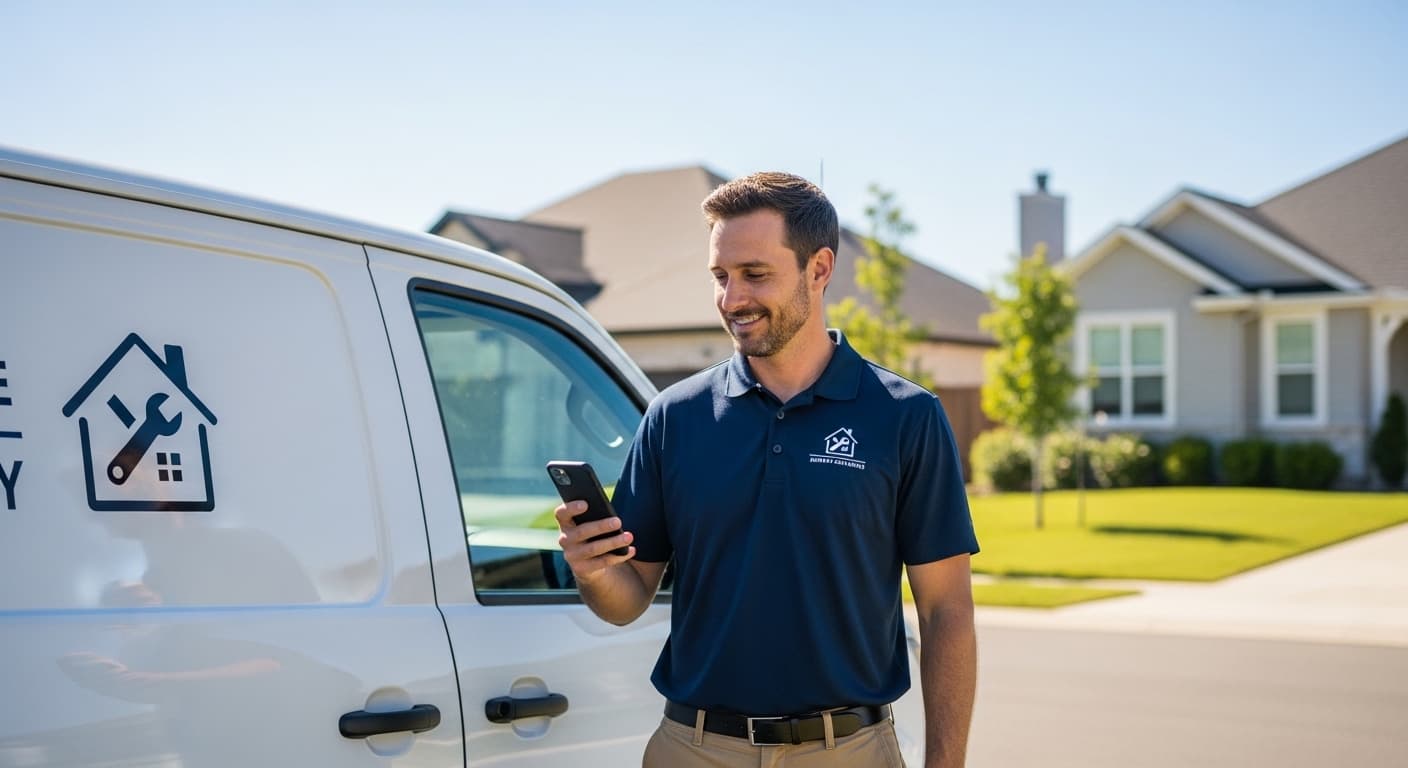
Contractor Lead Generation: 12 Strategies Beyond Angi & HomeAdvisor
Tired of paying $50+ for shared leads on Angi and HomeAdvisor? These 12 contractor lead generation strategies build a pipeline of exclusive leads that you own and control.
Read more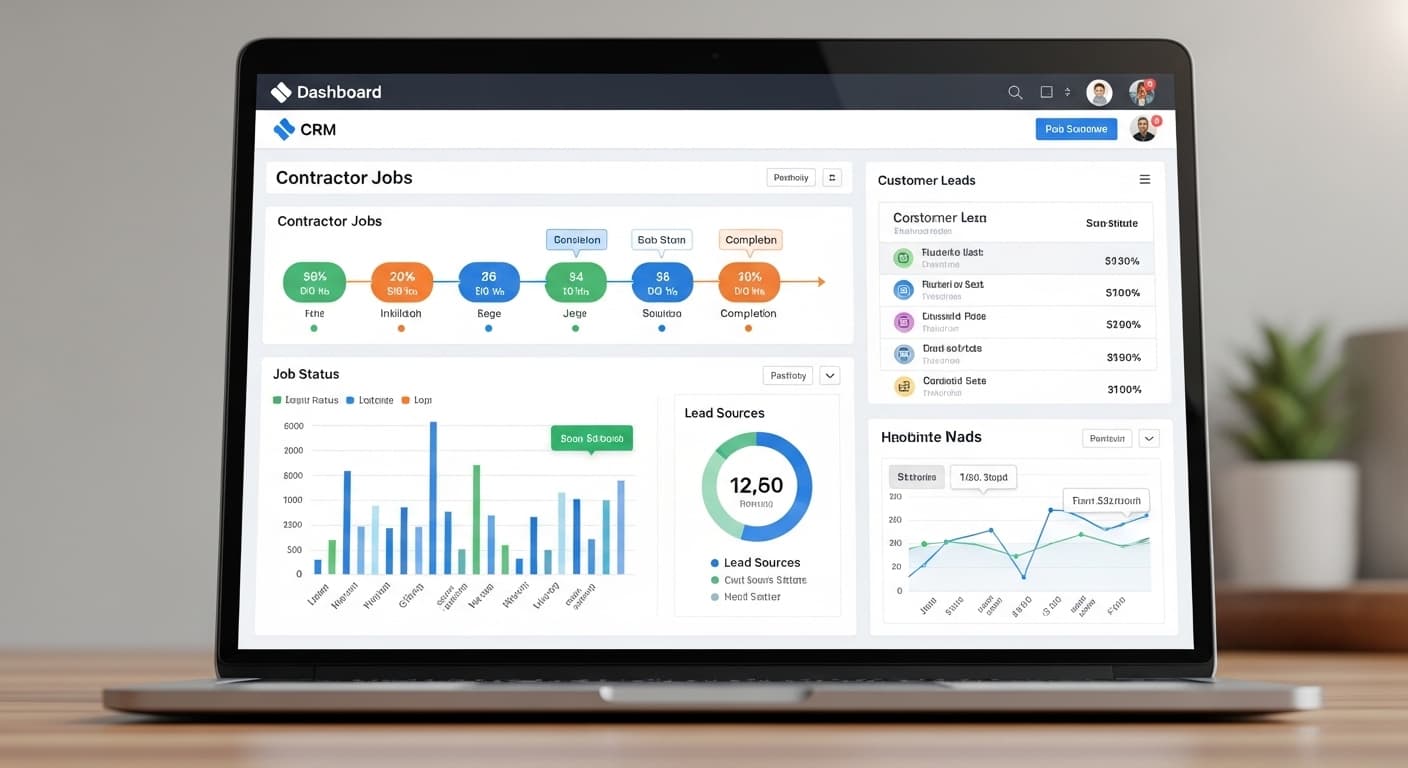
Best CRM for Contractors: 2026 Comparison Guide
Not sure which CRM is right for your contracting business? We compare the top 7 contractor CRMs on features, pricing, ease of use, and ROI so you can pick the right one without wasting time on demos.
Read more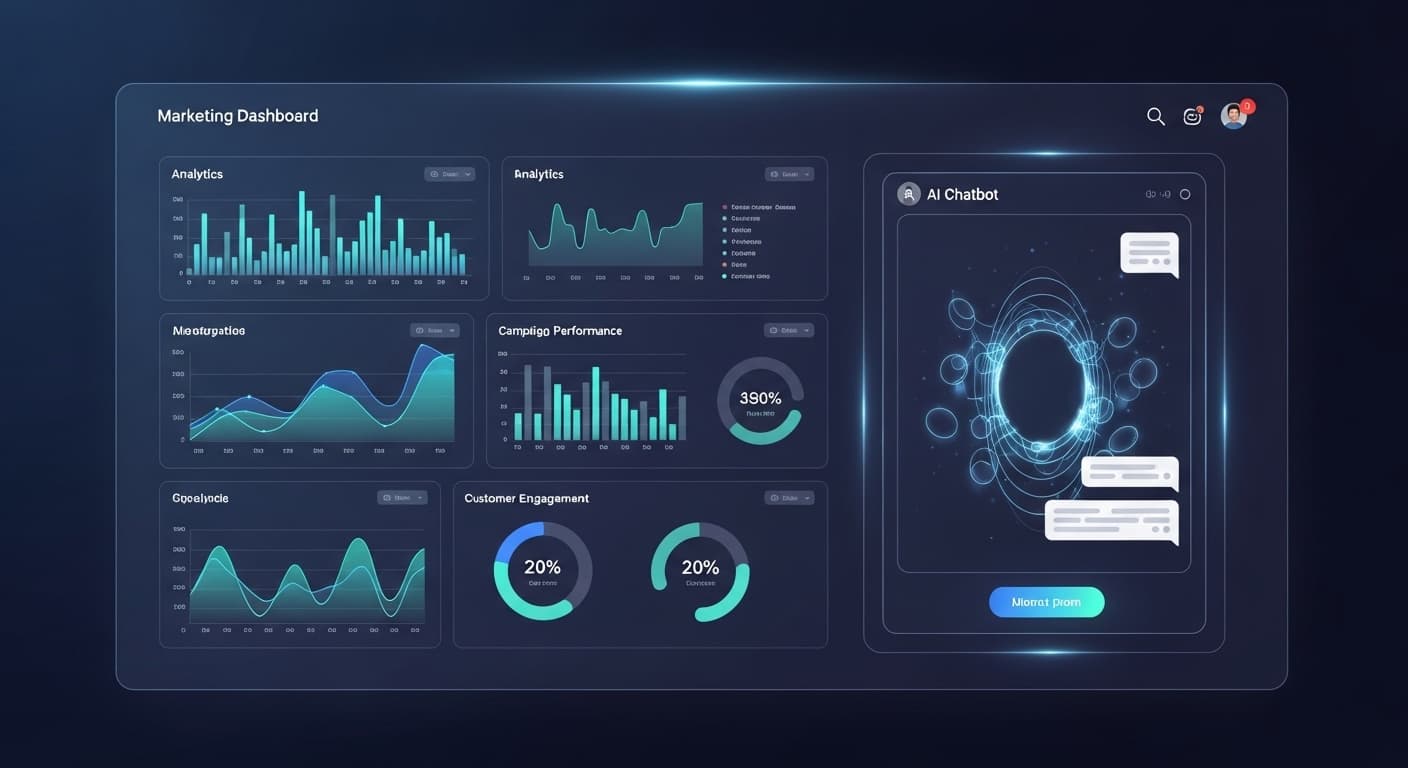
AI Marketing for Contractors: A Practical Guide for 2026
AI is changing how contractors market their businesses. This practical guide covers what works right now: AI content creation, chatbots, lead automation, and Generative Engine Optimization.
Read more
How to Get More Leads as a Contractor: 15 Proven Strategies
Struggling to fill your pipeline? These 15 proven lead generation strategies help contractors get more calls, more quotes, and more booked jobs — without wasting money on bad leads.
Read moreReady to Put This Into Action?
Get a free SEO audit and see exactly where your contracting business stands.