
Generator Contractor Marketing: How to Get More Standby Installation Leads
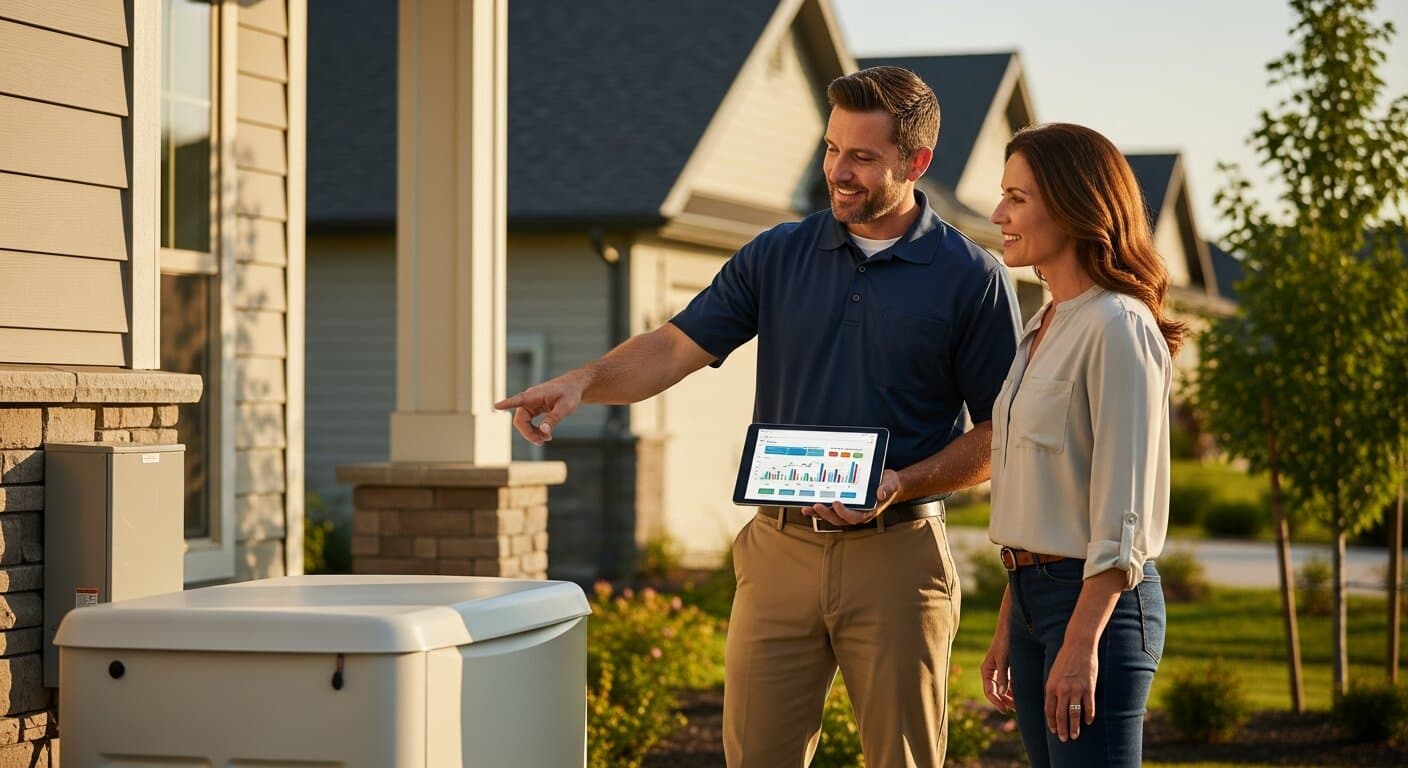
When the power goes out — really goes out, for days or weeks after a major storm — the homeowners who didn't have a standby generator installed swear they'll never be without one again. By the time power returns, many of them are searching Google for generator contractors in their area.
Your job is to be the company they find.
The generator installation market is growing fast. Extreme weather events have become more frequent and more damaging. Supply chain disruptions have made people think harder about resilience. Work-from-home has made reliable power a business necessity, not just a comfort. And in hurricane-prone states, coastal flooding paired with extended outages has turned standby generators from a luxury into a near-essential for many homeowners.
This guide covers the full generator contractor marketing playbook — from SEO fundamentals to storm-season surge tactics — so you can build a consistent pipeline of high-value installation jobs year-round.
Why Generator Contractor Marketing Requires a Different Approach
Generator installation sits at an interesting intersection of trades: it's electrical work, but it's also driven by weather, fear, and long purchase cycles. Understanding what drives your buyers shapes everything about how you market.
Generator buyers think about installation for months or years before acting. Most homeowners first consider a generator after a personal experience with a power outage — but they don't call immediately. They think about it, research it, get overwhelmed by the cost, and wait. When the next big storm hits, they're finally ready. Your marketing needs to reach them in both phases: the slow research phase and the urgent post-storm phase.
The purchase is driven by emotion, not logic. No one buys a standby generator because they ran a spreadsheet. They buy it because they were scared during a three-day outage, because their sump pump failed during a flood, or because they couldn't run their oxygen concentrator when the grid went down. Effective generator marketing leans into these emotional triggers — protection, peace of mind, preparedness — while backing them up with practical information.
Manufacturer relationships matter for marketing. If you're a certified Generac, Kohler, or Briggs & Stratton dealer, say so prominently. These brand names carry significant trust and search volume. Homeowners often search specifically for "[Brand] dealer near me," and your authorized dealer status differentiates you from unlicensed competitors.
Storm season is your biggest opportunity — and your biggest test. Right now in mid-August 2026, we're deep in hurricane season. Tropical systems, severe thunderstorms, and heat-related grid stress are at their peak. Contractors with established digital marketing can capture a surge of demand in real time. Those without it watch the opportunity pass.
Local SEO for Generator Contractors: Rank When It Matters Most
Local SEO for contractors is the engine that drives long-term, low-cost lead flow for generator installation companies. Unlike paid ads, organic rankings don't cost per click — once you're on Page 1, traffic compounds over time.
The SEO strategy for generator contractors has a few key components:
Build dedicated service pages for each offering. Don't put everything on one "generator" page. Create separate pages for standby generator installation, generator maintenance and tune-ups, generator transfer switch installation, portable generator wiring, and commercial generator installation. Each page targets specific search queries and gives Google a clear signal about what you do.
Pursue manufacturer keyword opportunities. If you're a Generac dealer, create a page targeting "Generac dealer [city]" and "Generac generator installation [city]." These branded searches have strong commercial intent. Do the same for every brand you're authorized to install. These pages can rank surprisingly quickly because the competition for brand-specific dealer searches is often thin.
Create service-area pages for every city you cover. Generator demand is hyperlocal. A homeowner in a specific suburb searches for contractors in that suburb, not "generators in [metro area]." Build dedicated pages for each major suburb or city in your service territory. Winning the Google Map Pack starts with this level of local specificity.
Publish educational content that attracts buyers in the research phase. Articles like "How Much Does a Whole Home Generator Cost in [State]?" and "Generac vs. Kohler: Which Brand Is Right for Your Home?" attract homeowners who are months away from buying but will remember the company that educated them. This content also ranks for long-tail keywords that paid ads don't economically target.
Google Business Profile Optimization for Generator Dealers
Your Google Business Profile (GBP) is the most visible real estate you have in local search — and most generator contractors leave it half-finished.
A fully optimized GBP for a generator contractor should include:
- Business category: "Electrician" as primary, "Generator Shop" and "Contractor" as secondary
- Service area: every city, town, and suburb you serve listed explicitly
- Services section: list every service individually — installation, maintenance, emergency service, transfer switch, permit service
- Manufacturer certifications prominently mentioned: "Authorized Generac Dealer," "Kohler Certified Installer"
- Photos: before/after installation photos, generator brands you work with, crew photos, permit photos
- Regular Google Posts: weekly updates with storm preparedness tips, completed job highlights, and limited-time offers
The goal is to show up in the top 3 results of the Map Pack for "generator installation near me" and related queries. Reviews are the biggest ranking factor here — we'll cover that in depth below.
Google Ads for Generator Installation: The High-Intent Playbook
Google Ads for contractors work exceptionally well for generator installation because the intent is undeniable. Someone searching "standby generator installation [city]" is not casually browsing — they're ready to talk to a contractor.
Here's how to build a Google Ads campaign that converts for generator contractors:
Target the right keywords by intent stage:
- Ready to buy: "generator installer near me," "whole home generator installation [city]," "standby generator cost [state]," "Generac dealer [city]"
- Comparison phase: "Generac vs Kohler standby generator," "generator installation cost," "best generator for home backup"
- Research phase: "how does a standby generator work," "do I need a permit for a generator" (these cost less per click and build your remarketing audience)
Use location targeting precisely. Set your radius to match your actual service area — don't pay for clicks from homeowners 60 miles away. If you serve multiple distinct markets, create separate campaigns for each.
Build storm-surge ad copy in advance. Have storm-specific ad variations ready to go: "Power outage in [city]? Get a standby generator installed by licensed pros." When a storm hits your area, you can activate these ads within hours and capture a surge of demand at lower competition (most competitors aren't prepared).
Add Local Service Ads for credibility and cost efficiency. Google Local Service Ads sit above regular search results and show the Google Guaranteed badge. For generator installation — a large investment that homeowners want to feel confident about — this trust signal is highly valuable. LSAs charge per lead rather than per click and tend to deliver lower cost-per-acquisition than search ads for high-ticket services.
| Campaign Type | Avg. Cost Per Lead | Lead Quality | Best For |
|---|---|---|---|
| Google Search Ads | $100–$250 | Very High | Ready-to-buy searchers |
| Google Local Service Ads | $75–$180 | Very High | Trust-sensitive buyers |
| Remarketing | $20–$60 | High | Research-phase visitors |
| Facebook Ads | $50–$120 | Medium–High | Storm-season surge, awareness |
| Organic SEO | $40–$90 (long-term) | Very High | Long-term cost efficiency |
Storm-Season Marketing: Strike When Demand Spikes
August through November is hurricane and severe storm season across large parts of the US — and it's the highest-demand period for generator installation. Here's how to capitalize on it.
Keep your campaigns live and funded year-round. Contractors who shut down ads in the off-season pay a real price when storm season returns — Google campaigns need time to optimize, and you lose the performance history that keeps your cost per lead low. Run a baseline budget year-round and scale up in response to weather events.
Monitor weather forecasts and scale immediately. When a tropical storm or hurricane threatens your service area, double or triple your Google Ads daily budget within 24 hours. Competition for generator searches spikes after a storm, not before — if you're already running, you capture the pre-storm surge when homeowners are most motivated and competition is still lower.
Run storm-triggered email campaigns. If you have a list of previous customers, homeowners who requested quotes, and prospects who opted in, send an email before a major storm event: "Is your home prepared? Here's what standby generator owners don't worry about during power outages." Include a direct link to your contact form and a time-sensitive offer.
Use social media for real-time storm content. During a weather event, post updates about your availability, installation timelines, and tips for staying safe during outages. Homeowners who follow you see these posts and are reminded that you're the company to call. After the storm, post photos of generators you installed for neighbors in the affected area.
Reviews and Social Proof for High-Ticket Generator Installs
Generator installation is a major financial commitment — $10,000 to $25,000 for most residential projects. Before a homeowner hands over that kind of money, they will read your reviews. Not skim them — actually read them.
Target 50 or more Google reviews with a 4.7-star average or higher. This threshold consistently outperforms lower review counts in the Map Pack and significantly improves conversion rates from profile views to phone calls.
Build your review pipeline systematically:
- Send a review request text with a direct Google review link the day after generator commissioning — when the homeowner is excited about their new system
- Follow up once by text or email if they haven't left a review after 5 days
- Respond to every review — thank positive reviewers personally and address negative ones professionally and specifically
- Share positive reviews on social media monthly — they double as social proof content
A generator company with 80 detailed five-star reviews describing real experiences ("our power was out for 4 days and the generator never missed a beat") will outsell a competitor with 12 generic reviews every time.
Video Marketing: Show What Generators Do for Families
Generator installation lends itself to video content better than almost any other trade. Here's what works:
Before/after power outage videos. Show your customer's home fully powered during a neighborhood blackout — lights on, refrigerator running, medical equipment operating. These are emotionally compelling and highly shareable on Facebook.
Installation walkthroughs. A 3 to 5 minute video showing the full installation process — from the transfer switch connection to the propane or natural gas hookup to the first test run — answers every homeowner's questions and builds enormous trust.
"Why I Finally Got a Generator" customer testimonials. Short 60 to 90 second testimonials where a real customer talks about what finally motivated them to install a standby generator are incredibly persuasive to the exact homeowner who's still on the fence.
FAQ videos. "How Much Does a Standby Generator Cost?" and "How Long Does Generator Installation Take?" answer the questions homeowners type into Google and YouTube — putting your company in front of them during their research phase.
Post these videos on YouTube, embed them on your service pages, and share clips on Facebook and Instagram. YouTube is the second-largest search engine in the world; video content on generator installation ranks with relatively little competition compared to written content.
Building a Referral Network for Generator Contractors
Electricians, HVAC contractors, and home automation specialists regularly encounter homeowners asking about generators — and most of them don't install. Build formal referral relationships with:
- Electricians who don't install generators — they get called all the time and need a trusted referral
- HVAC contractors — homeowners asking about whole-home backup often ask their HVAC company too
- Home security companies — security-conscious homeowners are exactly the audience for generator backup
- Real estate agents — standby generators are increasingly listed as a selling feature, and agents often recommend installation to sellers or buyers
Offer a referral fee of $100 to $300 per closed installation job. With an average ticket of $15,000, you can afford a generous referral program and still be profitable. Track referrals through a simple system — a dedicated phone number or referral code — and pay promptly to keep partners motivated.
Tracking Generator Marketing ROI: Know What's Working
The contractor who knows exactly which channel generated every lead controls their growth. Set up tracking for:
- Call tracking numbers by source — one for Google Ads, one for SEO/GBP, one for Facebook Ads, one for referrals
- Form submissions by source using UTM parameters in your URLs
- Lead-to-job conversion rate by channel — not just leads, but actual booked and completed installations
- Cost per acquired job by channel — this is the number that tells you where to invest more
We've seen generator contractors discover that their Google Ads produced 60% of their leads but Facebook Ads produced 40% of their revenue, because Facebook-sourced customers had bigger homes and bought larger systems. You can't optimize what you don't measure.
Generator Contractor Marketing Budget by Revenue Stage
| Annual Revenue | Recommended Budget | Monthly Spend | Priority Channels |
|---|---|---|---|
| Under $500K | 10–15% | $4,000–$6,000 | GBP, Google Ads, Reviews |
| $500K–$1.5M | 8–12% | $6,000–$15,000 | Google Ads, LSAs, SEO |
| $1.5M–$4M | 6–10% | $10,000–$33,000 | SEO, Google Ads, Video |
| $4M+ | 5–8% | $20,000+ | Full mix, brand, referrals |
The return on well-managed generator marketing is exceptional given the ticket size. A $150 cost-per-lead with a 30% close rate means $500 per acquired job on a $15,000 average ticket — that's a 30x return before overhead. Contractors who underinvest in marketing leave this math on the table.
How RankWeld Helps Generator Contractors Win More Jobs
RankWeld works with generator installation companies to build lead generation systems that perform year-round and surge when storms hit. Our contractor SEO services build the organic foundation that reduces your cost per lead over time, while our Google Ads management captures every high-intent search today.
We've helped electrical and generator contractors go from relying on word-of-mouth to generating 30 to 50 qualified calls per month — with tracking that proves exactly where every lead came from. Learn more about our approach to contractor lead generation.
Storm season is here. Homeowners are thinking about generators right now. The question is whether they find your company or your competitor when they search.
Request your free generator contractor SEO audit and we'll show you exactly what it will take to own your local market.
Recommended Service
Marketing Built for Your Trade
We only work with contractors. Every strategy, campaign, and website is built specifically for the trades. See what we can do for your industry.
See All ServicesRelated Articles
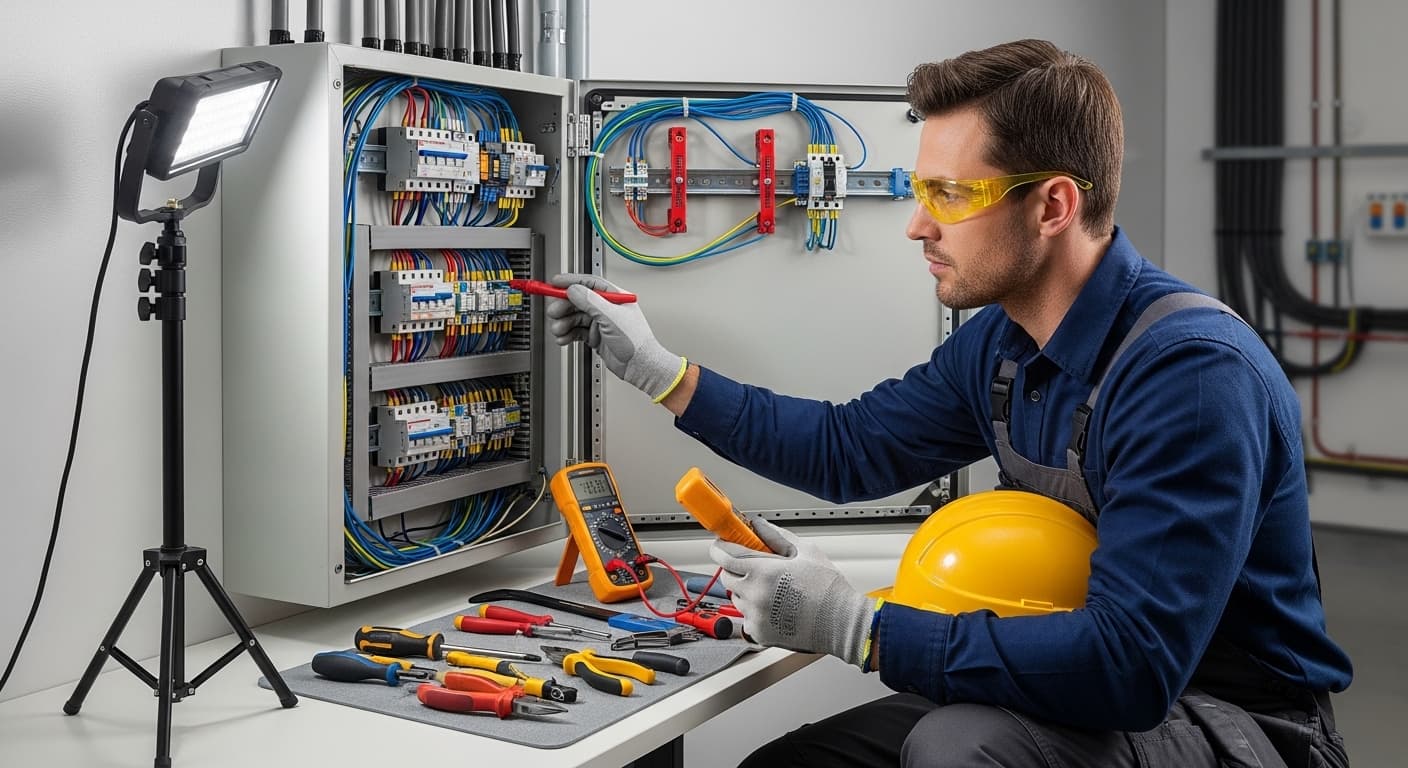
Electrician Marketing: Digital Strategies That Work
Digital marketing strategies built specifically for electricians. Learn how to get more calls, rank higher on Google, and grow your electrical contracting business.
Read more
Google Local Services Ads for Contractors: The Complete 2026 Guide
Google Local Services Ads put your contracting business at the absolute top of search — above Google Ads, above the map pack. Here's exactly how to set up, optimize, and dominate LSA in 2026.
Read more
Local SEO for Contractors: How to Dominate the Google Map Pack
The Google Map Pack is where most contractor leads come from. This guide breaks down the exact local SEO strategies you need to rank in the top 3 — from citations and reviews to on-page optimization and content.
Read more
Contractor Lead Generation: 12 Strategies Beyond Angi & HomeAdvisor
Tired of paying $50+ for shared leads on Angi and HomeAdvisor? These 12 contractor lead generation strategies build a pipeline of exclusive leads that you own and control.
Read moreReady to Put This Into Action?
Get a free SEO audit and see exactly where your contracting business stands.