Air Duct Cleaning Contractor Marketing: How to Fill Your Schedule Year-Round
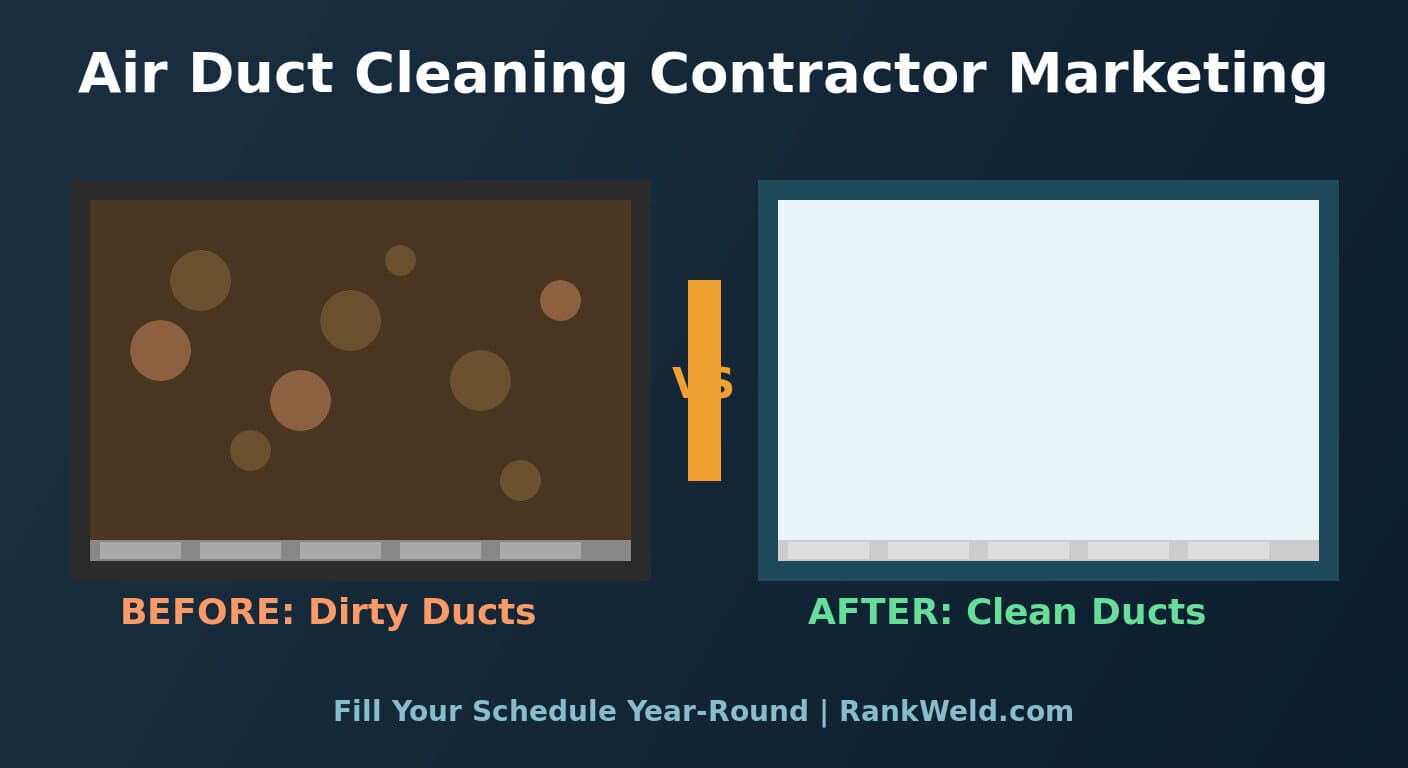
Air duct cleaning sits in a unique position among home services. The average residential job runs $300-$500 and takes 3-4 hours. Commercial jobs — office buildings, apartment complexes, medical facilities — can easily reach $2,000-$10,000 in a single visit. Customers who get their ducts cleaned once tend to come back every 3-5 years. And because dirty ducts are invisible until you show the before-and-after photos, the visual demonstration alone closes many jobs.
Despite this, most air duct cleaning contractor marketing strategies stop at a basic website and a Google Business Profile that was set up years ago. That approach left money on the table when competition was lower. In 2026's market, it leaves your schedule half-empty.
This guide covers what consistently works for air duct cleaning companies in competitive markets — the channels, the timing, the messaging, and the specific tactics that move the needle.
Understanding Your Air Duct Cleaning Customer
Before spending a dollar on marketing, understand who you are selling to and when they are ready to buy.
Residential triggers: Most homeowners think about air duct cleaning when something prompts them — allergy symptoms, a visible mold smell from the vents, a new pet moving in, a home purchase, or switching the HVAC from cooling to heating in the fall. They are not thinking about it in July when the AC is running fine. Your marketing timing needs to match these trigger moments.
Commercial triggers: Facility managers and property managers think about air duct cleaning during lease renewals, after HVAC work, when tenants complain about air quality, or during routine building maintenance cycles. Commercial buyers research more, require quotes, and often need multiple approvals before booking. Expect a 4-8 week sales cycle.
The visual sell: Both audiences respond to visual evidence. "Your ducts haven't been cleaned in 10 years" is abstract. A photo of your technician pulling out a dust-clogged dryer vent or before-and-after duct photos is concrete and alarming in a motivating way. Every marketing channel you use should lean into visual evidence.
Google Business Profile: The Core of Your Local Visibility
Your Google Business Profile is the single most important marketing asset for air duct cleaning companies. When homeowners search "air duct cleaning near me" or "duct cleaning [your city]," the Map Pack results — three business listings that appear above organic results — capture 30-40% of all clicks.
Optimize your GBP for air duct cleaning specifically:
- Primary category: "Air duct cleaning service." Add secondary categories including "HVAC contractor," "Dryer vent cleaning service," and "Mold remediation service" if applicable.
- Service list: Add individual entries for every service — residential air duct cleaning, commercial air duct cleaning, dryer vent cleaning, furnace cleaning, air duct sanitizing, mold remediation in ducts, HEPA vacuuming, UV light installation. Each entry should have a description with natural language around core keywords.
- Photos: Upload before-and-after photos every week. Show the inside of dirty ducts, the cleaning equipment in action, and the clean result. Visual evidence here is dramatically more compelling than team photos. Aim for 50+ photos in your first 90 days; maintain the cadence by uploading 4-8 new photos weekly.
- Google Posts: Create weekly posts around seasonal air quality topics — fall furnace prep, spring cleaning, allergy season, wildfire smoke and indoor air quality. These posts keep your profile active and can appear in search results.
- Booking link: Enable the appointment booking feature in your GBP. Lower friction = more conversions.
Reviews deserve their own strategy. Air duct cleaning companies that have 75+ reviews with a 4.8+ average rating consistently occupy the top Map Pack positions. See the review generation section below.
Local SEO: Build the Organic Lead Engine
For a deeper look at Map Pack ranking factors, read our complete local SEO guide for contractors — the same fundamentals apply directly to air duct cleaning.
Local SEO for air duct cleaning companies takes 4-8 months to show significant results, but once it works, it generates leads at zero marginal cost. That long-term ROI makes it the most valuable marketing investment you can make.
Website Structure That Ranks
Your website needs dedicated landing pages targeting each keyword cluster:
| Page | Primary Target Keyword | Secondary Keywords |
|---|---|---|
/air-duct-cleaning-[city] |
"air duct cleaning [city]" | "duct cleaning near me," "air duct service [city]" |
/commercial-air-duct-cleaning |
"commercial air duct cleaning" | "office air duct cleaning," "commercial HVAC duct cleaning" |
/dryer-vent-cleaning |
"dryer vent cleaning near me" | "dryer vent service," "dryer vent clog removal" |
/air-duct-mold-removal |
"mold in air ducts" | "black mold HVAC," "air duct mold remediation" |
/air-duct-sanitizing |
"air duct sanitizing service" | "duct disinfection," "HVAC sanitizing" |
Each page needs 600-900 words of genuine content — not copy-pasted text — plus photos, a clear description of what the service includes, pricing context, and a call to action for requesting a quote or booking online.
Location Pages for Every Market You Serve
If you operate across multiple cities or a metro area, build individual location pages. A company based in Minneapolis that serves 15 surrounding suburbs should have 15+ location pages, each with unique content, local references, and service-specific information.
In our experience, air duct cleaning companies that build location pages for every served market typically see a 40-60% increase in organic lead volume within 6 months compared to those with a single homepage targeting their headquarters city.
Blog Content That Drives Seasonal Traffic
Publish blog content timed to seasonal search spikes:
- August-September: "Should You Clean Your Air Ducts Before Heating Season?" / "How to Know If Your Ducts Need Cleaning Before Fall"
- October-November: "Air Duct Cleaning Checklist Before Winter" / "Furnace Filter vs Air Duct Cleaning: Which Comes First?"
- March-April: "Spring Air Quality Checklist for Homeowners" / "Air Duct Cleaning After Winter: What to Expect"
- Year-round: "How Often Should Air Ducts Be Cleaned?" / "Air Duct Cleaning Cost Guide: What to Expect in [City]"
Google Local Services Ads: Pay-Per-Lead Visibility
For a full breakdown of how LSA works alongside traditional Google Ads, see our Google Local Services Ads guide for contractors.
Google Local Services Ads (LSA) appear at the very top of search results, above regular Google Ads and above organic results. Unlike traditional PPC, you pay per verified lead — typically $20-$45 for air duct cleaning — rather than per click. The "Google Guaranteed" badge also substantially increases trust with potential customers.
To maximize LSA performance:
- Respond to every lead within 5 minutes. Google's algorithm rewards fast response times with more lead volume.
- Dispute leads that aren't in your service area, are for services you don't offer, or have wrong phone numbers. You can get credit for bad leads.
- Ask every LSA customer to leave a review referencing how they found you — this feeds into your LSA profile's rating, which influences your ad's visibility.
- Check your bidding strategy monthly. Budget too low and you lose leads to competitors. Budget too high with poor response times wastes spend.
Google Ads: Intent-Based Lead Generation
Beyond LSA, traditional Google Ads give you more control over targeting, messaging, and budget. For air duct cleaning, the highest-intent keywords to target include:
- "air duct cleaning near me" — highest intent, highest volume
- "duct cleaning service [city]" — geo-specific high intent
- "dryer vent cleaning near me" — upsell opportunity, lower competition
- "clean air ducts cost" — price-aware but still researching
- "air duct cleaning coupon" — budget-conscious, still buying soon
Negative keywords to exclude immediately:
- "DIY air duct cleaning," "how to clean air ducts yourself," "air duct cleaning machine rental," "air duct cleaning kit"
These searchers are not buyers for your services. Including them in your campaigns wastes budget.
A well-structured Google Ads campaign for air duct cleaning typically generates leads at $30-$60 each, with conversion rates of 15-25% from click to booking. On a $300-$500 average job, even a $60 cost per lead delivers a 5:1+ return.
Review Generation: The Trust Engine
In air duct cleaning, reviews serve two functions: SEO ranking signals and conversion trust. Companies with 50+ Google reviews at 4.7+ convert website visitors and GBP visitors at significantly higher rates than companies with thin profiles.
A systematic review generation process:
- During the job: Technician shows the customer before-and-after photos and says, "We love hearing what customers think — I'll send you a quick link."
- Within 30 minutes of completing the job: Send an automated text with the direct Google review link. This is peak satisfaction — the customer can literally see the clean ducts.
- 48 hours later: If no review was left, send a single follow-up email. Never call about reviews.
- Never incentivize: Google prohibits offering discounts or perks for reviews. Doing so risks your entire GBP being suspended.
Review management for contractors can be automated through your CRM so technicians never have to manually send review requests — the job closure triggers the text automatically.
Referral Partnerships: Your Highest-Quality Lead Source
Air duct cleaning has natural referral partnerships that most contractors fail to develop systematically:
HVAC companies: When an HVAC technician replaces a furnace or services an AC unit, dirty duct work is often visible. An HVAC company that recommends your duct cleaning service gets a trusted third-party endorsement to the homeowner. Offer HVAC companies a referral arrangement (gift cards, cash, reciprocal referrals) in exchange for consistent recommendations.
Real estate agents: Home buyers almost always want duct cleaning before moving in. Real estate agents who recommend your company as part of their buyer checklist generate a steady stream of pre-move-in jobs.
Property management companies: A single property management firm managing 200 rental units represents recurring commercial work. One relationship can be worth $20,000-$50,000 per year. Call or email property managers directly with a rate card for unit-turnaround duct cleaning.
Home inspectors: Inspectors who notice dirty or compromised ductwork naturally recommend cleaning services. Build relationships by offering inspectors a free inspection-adjacent resource (a written guide on air duct health) in exchange for referrals.
Seasonal Marketing Calendar
Timing is everything in air duct cleaning. This calendar syncs your marketing spend with peak demand:
| Month | Campaign Focus | Channels to Emphasize |
|---|---|---|
| August | "Prepare for heating season" pre-sell | Email to past clients, GBP posts |
| September | Fall air quality + furnace prep | Google Ads peak spend, LSA boost |
| October | "Before you turn on the heat" urgency | Google Ads, social media, email blast |
| November | Winter prep last call | Email, Google Ads, referral push |
| December-January | Slow season; commercial focus | Direct outreach, LinkedIn |
| February | Spring pre-season content | Blog posts, GBP posts |
| March-April | Spring cleaning season | Google Ads + LSA second peak |
| May-July | Maintain + commercial | Reduced ad spend, referral focus |
Email Marketing to Past Customers
Air duct cleaning is a repeat-service business with a natural 3-5 year cycle. An email list of past customers is one of your most valuable marketing assets.
Email sequence for past customers:
- Year 1 post-service: "Your air ducts are now 1 year old — here is how indoor air quality changes over time"
- Year 2: "Allergy season is coming — homeowners with cleaned ducts in 2024 are already scheduling"
- Year 3: "It has been 3 years since your air duct cleaning — here is what has likely accumulated"
- Seasonal: Fall and spring email blasts with a limited-time offer to prompt earlier booking
A well-maintained email list with annual touchpoints generates repeat jobs at effectively zero customer acquisition cost. In our experience, contractors who consistently email past customers recapture 15-25% of their past client list annually for follow-on services.
Website Optimization for Air Duct Cleaning Conversions
Traffic means nothing if your website does not convert visitors into booked appointments. Contractor website design for air duct cleaning should prioritize:
- Phone number prominently placed: Top-right corner of every page, clickable on mobile.
- Before-and-after gallery: A prominent gallery of compelling duct photos before and after cleaning. This single element can increase conversion rates by 20-30%.
- Online booking or quote request form: Make it easy to request service without calling. Many homeowners prefer not to call.
- Price transparency: Publish your starting price or price range. "Starting at $199 for a standard home" reduces price-anxiety abandonment and pre-qualifies leads.
- Trust signals: Google review stars pulled directly from your GBP, number of homes serviced, years in business, any certifications (NADCA certification is the industry gold standard).
Dryer Vent Cleaning: An Upsell Goldmine
Every residential air duct cleaning job is an opportunity to upsell dryer vent cleaning. The add-on takes 15-20 minutes, adds $75-$150 to the ticket, and is genuinely valuable — clogged dryer vents are a leading cause of house fires.
Train technicians to inspect the dryer vent during every visit and show the customer any lint buildup found. A simple photo of a clogged dryer vent, shown to the homeowner, converts the upsell at 60-70% of the time. Over a year of jobs, dryer vent upsells can add 15-20% to your total revenue with no additional marketing spend.
Building a Lead Generation System with a Contractor CRM
The biggest gap we see in air duct cleaning marketing is not getting leads — it is following up on them. A homeowner who requests a quote but does not hear back within 2 hours is gone. They called the next company on the list.
A contractor CRM solves this by automating follow-up. When a lead comes in from your website, Google Ads, or LSA:
- Automated text response within 60 seconds: "Thanks for reaching out — we'll call you in the next few minutes to schedule your service."
- Automated email with pricing information and before-and-after photos.
- CRM task for a sales rep to call within 5 minutes.
- If no response after 2 hours: automated follow-up text.
- If no response after 24 hours: final follow-up email.
Companies that implement automated follow-up see lead-to-booking conversion rates improve from 20-30% to 50-70%. That same marketing budget suddenly generates twice the revenue.
Tracking What Works: Metrics That Matter
You cannot improve what you do not measure. Track these KPIs monthly:
- Cost per lead by channel — What does each Google Ads lead cost versus each LSA lead versus each organic lead?
- Lead-to-booking rate — What percentage of incoming leads actually book?
- Average job value — Are you successfully upselling dryer vent cleaning and sanitizing?
- Repeat rate — What percentage of customers from 3+ years ago have rebooked?
- Review velocity — How many new Google reviews are you collecting each month?
Where to Start: A 90-Day Roadmap
If your marketing is currently minimal, this 90-day sequence is the highest-ROI starting point:
Days 1-30:
- Fully optimize Google Business Profile (photos, services, posts)
- Set up Google Local Services Ads
- Implement an automated review request via text after every job
Days 31-60:
- Launch Google Ads campaign with tightly targeted keywords
- Build or improve your website with before-and-after gallery and service pages
- Start collecting past customer emails into a CRM
Days 61-90:
- Begin publishing seasonal blog content for fall traffic spike
- Build your first 2-3 referral partner relationships (one HVAC company, one real estate agent)
- Send first email campaign to past customer list
By day 90, you should have a functioning lead engine operating across organic, paid, and referral channels — and the infrastructure to scale all three.
Air duct cleaning is a repeat-service business with strong margins, growing demand driven by indoor air quality awareness, and a visual proof-of-concept that closes jobs on the spot. The contractors who dominate this market are not the ones with the best equipment — they are the ones with the most systematic marketing.
Ready to see what a complete air duct cleaning contractor marketing strategy could look like for your company? Get your free SEO audit and find out exactly where your biggest lead generation opportunities are.
Recommended Service
Marketing Built for Your Trade
We only work with contractors. Every strategy, campaign, and website is built specifically for the trades. See what we can do for your industry.
See All ServicesRelated Articles
HVAC Marketing: The Complete Guide to Growing Your HVAC Business
A complete HVAC marketing guide covering SEO, Google Ads, reputation management, and lead generation strategies that actually work for heating and cooling companies.
Read more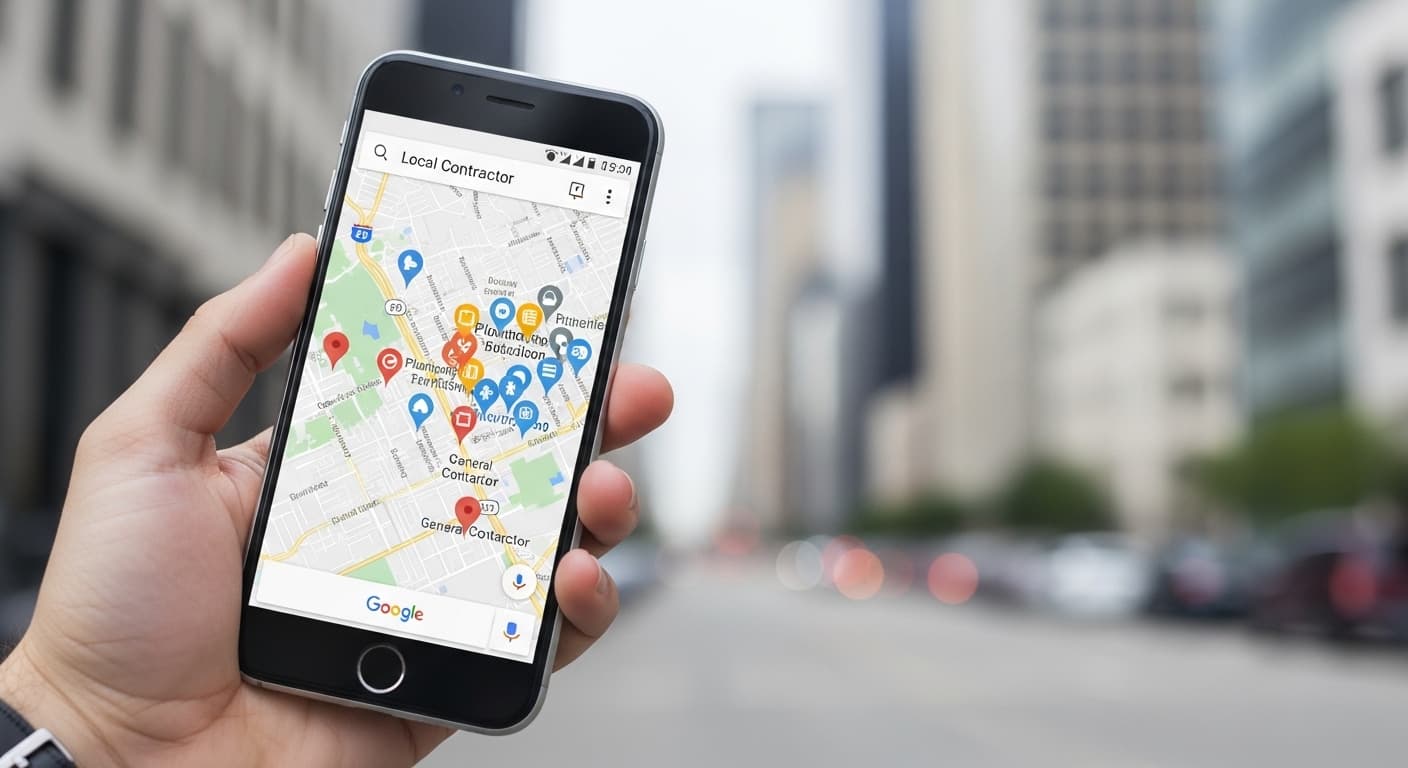
Local SEO for Contractors: How to Dominate the Google Map Pack
The Google Map Pack is where most contractor leads come from. This guide breaks down the exact local SEO strategies you need to rank in the top 3 — from citations and reviews to on-page optimization and content.
Read more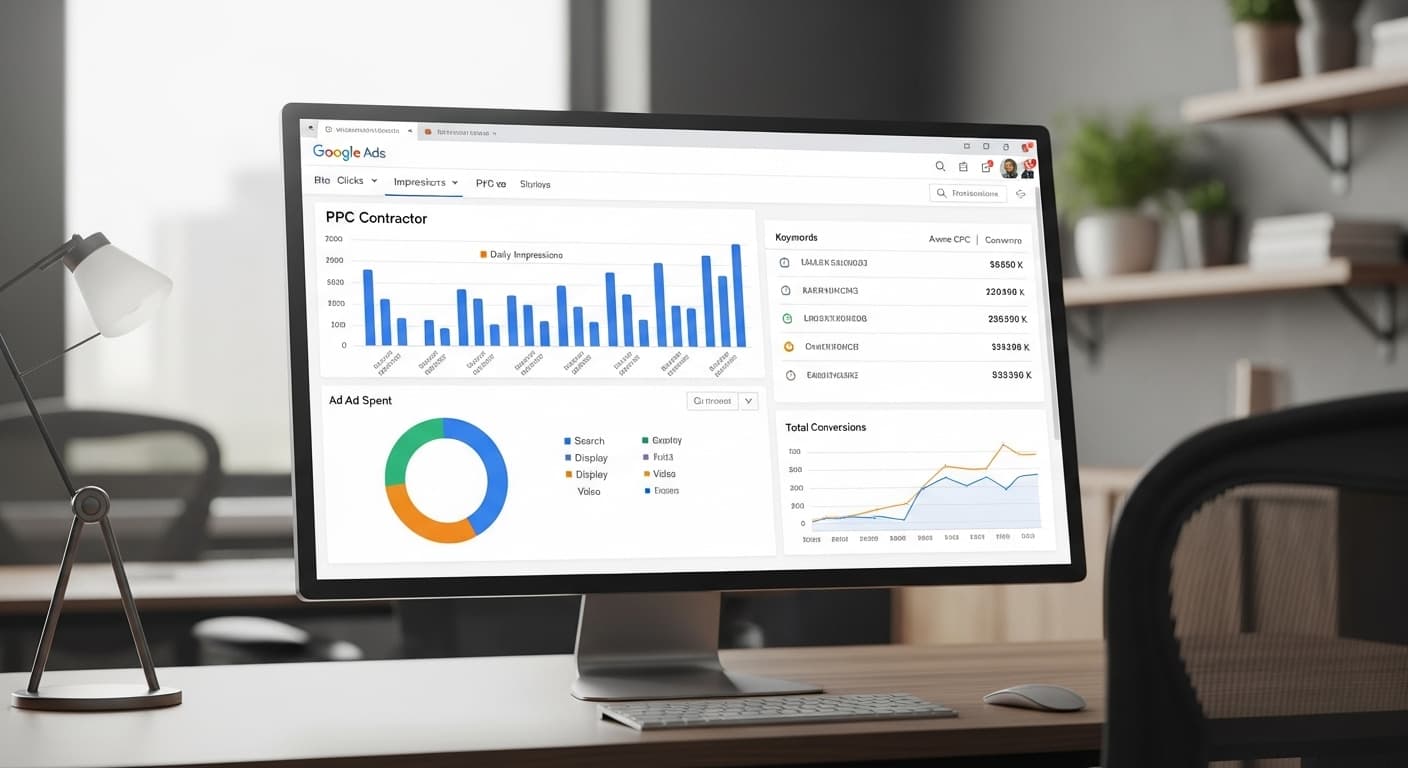
Google Ads for Contractors: Budget, Strategy & ROI Guide
Google Ads can be the fastest way to fill your pipeline — or the fastest way to burn cash. This guide covers budgets, bidding, campaign structure, and ROI benchmarks so you spend smart from day one.
Read more
Review Management for Contractors: The Complete Playbook
Reviews are the most powerful trust signal for contractors. This playbook covers everything: how to get more reviews consistently, handle negative feedback, and use reviews to dominate local search.
Read moreReady to Put This Into Action?
Get a free SEO audit and see exactly where your contracting business stands.