Pool Contractor Marketing: How to Fill Your Calendar With Installation Leads
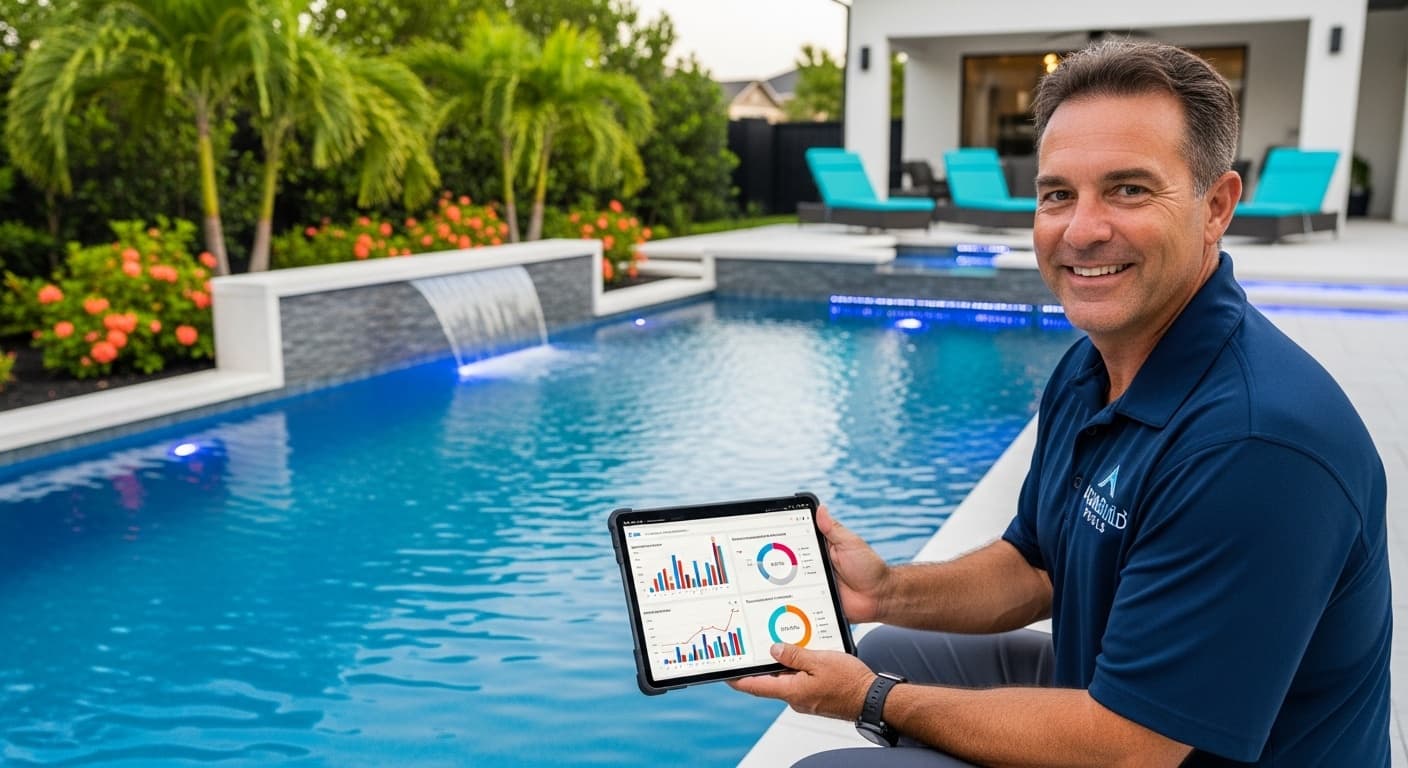
Pool installation is one of the highest-ticket services in the contracting world. A single backyard installation runs $50,000 to $150,000 or more. Even weekly pool service contracts renew annually at $2,000 to $8,000 per customer. One new pool installation lead, properly closed, can represent more revenue than 50 HVAC tune-up jobs.
But the pool market in 2026 is more competitive than it was three years ago. The COVID-era backyard renovation boom created a wave of new contractors. Many of those contractors built up their marketing presence during the boom and are now competing aggressively for a more normalized pool of leads. The contractors who win are the ones with a systematic pool contractor marketing strategy — not just a Google Business Profile they set up in 2021.
This guide covers every marketing channel that consistently fills pool contractor calendars with installation projects and service work, along with real numbers so you can make smart budget decisions.
The Pool Contractor Market in 2026: What You Are Up Against
Before building your strategy, understand the market dynamics you are operating in.
Demand has normalized post-COVID. During 2020-2022, pool companies had 12-18 month backlogs and could barely keep up with incoming requests. In 2026, the backlog has cleared and homeowners have become more selective. Price shopping is more common. The time from first inquiry to signed contract has stretched back out to 4-8 weeks.
Competition for digital leads has intensified. More pool contractors are running Google Ads, building websites, and collecting reviews than ever before. Cost per click has risen across most markets. Contractors who were coasting on word of mouth during the boom are now discovering their pipeline has dried up.
High-ticket = high-research buyers. A homeowner spending $80,000 on a pool is going to research you thoroughly. They will read every review, look at your project photos, check your website, and compare you against at least 2-3 competitors. Your marketing needs to win that comparison.
The good news: Pool & Spa is still one of the most cost-effective home services categories in digital advertising, with average cost per lead of $45.15 — lower than HVAC, roofing, or remodeling. And because pool installations are so high-ticket, even modest marketing investment can generate massive returns.
Google Business Profile: Your Most Powerful Free Lead Source
Your Google Business Profile (GBP) determines whether you appear in the Google Map Pack when homeowners search "pool contractors near me" or "pool installation [your city]." Map Pack results capture 30-40% of all clicks on local searches — and it costs you nothing beyond the time to optimize properly.
How to optimize your GBP as a pool contractor:
- Primary category: "Swimming pool contractor." Add secondary categories such as "Pool cleaning service," "Swimming pool repair service," and "Hot tub store" if applicable.
- Service list: Create individual service entries for every offering — pool installation, pool renovation, pool resurfacing, saltwater conversion, pool equipment repair, pool heater installation, weekly pool service, pool opening and closing. Each entry should have a 2-3 sentence description using natural language.
- Photos — this is your biggest differentiator: Upload 10-20 photos per month. Include wide shots of completed pools from multiple angles, aerial drone views, nighttime lighting shots, close-ups of water features, fire and water elements, and most importantly — before/after transformation pairs. Pool companies that maintain 100+ high-quality photos consistently outrank competitors with sparse galleries.
- Posts: Create Google Posts weekly. Seasonal content works well — spring pool opening checklists, summer safety tips, fall closing guides, and winter planning content for those considering spring installations.
- Q&A section: Proactively add common questions and answer them yourself. "How long does pool installation take?" "Do you offer financing?" "What types of pools do you install?" This content can surface in search results.
Reviews are addressed in their own section below, but know that your GBP review count and average rating are among the strongest ranking signals for Map Pack placement.
Local SEO for Pool Contractors
Local SEO for pool contractors is the highest long-term ROI marketing channel because once you rank, leads arrive without per-click cost. Pool keywords also have lower competition than many other trades — you're rarely competing against national giants the way HVAC or roofing contractors do.
Service Pages That Generate Leads
Your website should have a dedicated page for every service you offer, each targeting its own keyword cluster:
- Pool installation — Target "[city] pool installation," "inground pool builders [city]," "how much does a pool cost in [city]"
- Pool renovation / remodel — Target "pool remodel [city]," "pool renovation cost," "update old pool"
- Pool resurfacing — Target "pool resurfacing [city]," "pool plaster repair," "pool replastering cost"
- Saltwater pool conversion — Growing demand, lower competition; target "saltwater pool conversion [city]"
- Pool equipment repair — Emergency intent; target "pool pump repair near me," "pool heater repair"
- Pool deck construction — Premium upsell; target "pool deck builders [city]," "concrete pool deck cost"
- Fiberglass pool installation — If you offer it, this is its own audience and keyword set
Each page needs 800-1,200 words of genuine content — not boilerplate — plus a project photo gallery, pricing context, and a clear call to action for requesting a quote.
Blog Content That Captures Early-Stage Buyers
Homeowners researching a pool installation spend weeks or months in the research phase before requesting quotes. Blog content captures them early and builds trust before they're even ready to compare contractors.
High-performing blog topics for pool companies:
- "Inground Pool Cost in [City]: What to Budget for 2026"
- "Fiberglass vs Concrete vs Vinyl Liner Pools: Which Is Right for You?"
- "How Long Does Pool Installation Take? A Month-by-Month Timeline"
- "Pool Renovation vs New Pool: How to Know Which Makes More Sense"
- "How to Choose a Pool Contractor: 8 Questions to Ask"
A contractor who answers these questions better than competitors earns the trust of buyers before the first call.
For a complete SEO foundation, read our guide on how contractors dominate local search.
Google Ads for Pool Contractors
Google Ads is remarkably cost-effective for pool companies. Industry data from 2025 benchmarks shows:
- Average cost per click: $5.81 (lowest of any home services category)
- Average cost per lead: $45.15
- Average ROI: approximately $8 returned per $1 spent on well-managed campaigns
For a $75,000 pool project, even a $150 cost per lead is an extraordinary return. The math is compelling.
Campaign timing matters. Pool search volume is highly seasonal. In most US markets, volume begins climbing in January, peaks February through June as homeowners plan for summer, and remains elevated through September for renovation and equipment projects. Start your campaigns by mid-January to build quality score and impression share before competition peaks.
Best keyword strategy:
| Keyword Category | Example Keywords | Search Intent |
|---|---|---|
| New Installation | "pool installation [city]," "pool builders near me," "inground pool cost" | Ready to get quotes |
| Pool Renovation | "pool remodel," "pool renovation near me," "update my pool" | Large project, high value |
| Repairs & Equipment | "pool pump repair near me," "pool heater not working" | Urgent, immediate need |
| Comparison | "best pool company [city]," "[competitor] reviews" | Active comparison shopping |
| Seasonal Service | "pool opening service," "pool closing near me" | Seasonal, recurring revenue |
Essential negative keywords: "above ground pool kit," "DIY pool," "inflatable pool," "above ground pool liner," "pool toys," "pool noodles," "pool filter wholesale." These prevent your ads from appearing in irrelevant searches that drain your budget.
See our Google Ads budget guide for contractors for detailed advice on structuring campaigns and managing spend.
Google Local Services Ads: The Best Kept Secret for Pool Companies
Google Local Services Ads (LSA) appear above all other search results — above regular Google Ads, above the Map Pack, above everything. They show your star rating, your review count, and either a "Google Screened" or "Google Guaranteed" badge that signals to homeowners that Google has verified your business.
Why LSAs work especially well for pool companies:
- Pay per lead, not per click. You only pay when a homeowner calls or messages through the ad, eliminating wasted spend.
- The badge drives conversions. For $50,000+ purchasing decisions, the Google verification badge meaningfully increases trust and click-through rates.
- Businesses using LSAs receive 25-30% more calls than those relying only on organic results, according to Google's own data.
To qualify as a pool contractor on LSAs, you'll typically need to pass a background check, submit your contractor license, and verify general liability insurance coverage. Pool companies with strong review profiles (30+ reviews, 4.5+ stars) tend to rank better in the LSA carousel.
Review Generation: How Trust Wins Six-Figure Contracts
For high-ticket work like pool installations, reviews function as your most important sales tool. A homeowner weighing a $80,000 decision is going to read every single review before inviting you to give a quote.
Target numbers: Aim for a minimum of 40 Google reviews at 4.5+ average before running paid advertising. Below that threshold, you are spending money to drive traffic to a profile that will lose the comparison against competitors with stronger social proof.
How to build a systematic review generation process:
- At project completion: Walk through the finished project with the homeowner. While you're standing at the pool together, ask them if they're happy. If yes, send them a direct review link via text within two hours while the experience is fresh.
- 30-day follow-up: Check in to see how they're enjoying the pool. Include the review link again for anyone who hasn't yet posted.
- Service customers: Use your CRM to trigger a review request every 90 days for active service customers. Regular service builds the relationship that makes reviews feel natural to ask for.
- Respond to everything: Reply to every review — positive and negative — within 24 hours. Thoughtful responses to negative reviews show prospective customers that you stand behind your work.
For a complete system, read our guide on how to get more Google reviews as a contractor.
Social Media and Visual Marketing for Pool Companies
Pool installations are more visually compelling than almost any other contractor service. A backyard transformation from a plain lawn to a resort-style pool is genuinely stunning content that people stop and engage with.
Instagram and Facebook: Post before/after transformation photos weekly. Document projects in progress — the excavation, the steel framing, the plaster finish, the first fill, and the finished product with the homeowner enjoying it. Drone footage of completed projects consistently generates high engagement. Use local hashtags (#[city]pools, #backyardgoals[state]) and tag your service area in posts.
Houzz: Unlike lead aggregator platforms, Houzz attracts homeowners who are actively planning projects, not just casually browsing. A well-curated Houzz profile with 15+ showcase projects in your region can generate a consistent trickle of high-quality leads throughout the year.
Pinterest: Pool and outdoor living content performs well on Pinterest, especially in the winter and early spring when homeowners are planning. Create boards like "Inground Pool Designs 2026," "[City] Backyard Pools," and "Pool Renovation Ideas."
YouTube: A time-lapse video titled "Watch This Backyard Get Transformed Into a Dream Pool in 60 Days" will build more trust with prospective clients than any brochure. These videos rank in YouTube search and can be embedded on your website's project pages.
Off-Season Marketing: The Strategy Most Pool Companies Get Wrong
The biggest pool contractor marketing mistake is cutting spend entirely in November and going quiet until February. This is exactly when your competitors are doing the same — which means you can own the search results during the research phase at a fraction of peak-season cost.
What to do in the off-season:
- Email past clients in October about fall pool closing, equipment upgrades for next year, and any winter maintenance packages. A single email to 200 past clients commonly generates $10,000-$30,000 in service work.
- Run "planning" campaigns at reduced budget targeting research keywords like "pool installation timeline," "how much does a pool cost," and "inground pool ideas for [city]." These capture homeowners who are planning a spring installation before your competitors have turned their ads back on.
- Publish SEO content from October through January. Content published in November builds domain authority and starts ranking by the time February search volume picks up.
- Offer free design consultations for spring installations. Starting the sales process in January-February means you're booking projects before peak demand hits — and before competitors are actively marketing.
- Ask for reviews from summer customers before the satisfaction from the project fades.
How Much Should Pool Contractors Budget for Marketing?
The industry standard is 5-10% of gross revenue. Here is what that looks like by revenue tier, along with recommended channel allocation:
| Annual Revenue | 7% Budget (Monthly) | Priority Channels |
|---|---|---|
| $200,000 | ~$1,200/mo | GBP optimization, reviews, basic website SEO |
| $500,000 | ~$2,900/mo | SEO + Google Ads or LSA |
| $1,000,000 | ~$5,800/mo | SEO + Google Ads + LSA + social media |
| $2,000,000+ | ~$11,700+/mo | Full agency management, video, email, all channels |
Starting recommendation for most pool companies: Invest the first 60 days in GBP optimization and getting to 30+ reviews before spending on paid ads. Then layer in Google Ads or LSA at $1,000-$2,000/month. This sequence dramatically improves ad performance because a strong organic and review presence increases the conversion rate of paid traffic.
If you want help building a lead generation system for your pool business, our team works with contractors across the country on pool contractor lead generation strategies that deliver measurable ROI.
Ready to Get More Pool Installation Leads?
Your marketing should be working as hard as your crew does. We review pool contractor websites, Google Business Profiles, and ad accounts every week — and we'll tell you exactly what's costing you leads and what the highest-leverage fix is.
Get your free pool contractor SEO audit →
Recommended Service
Marketing Built for Your Trade
We only work with contractors. Every strategy, campaign, and website is built specifically for the trades. See what we can do for your industry.
See All ServicesRelated Articles
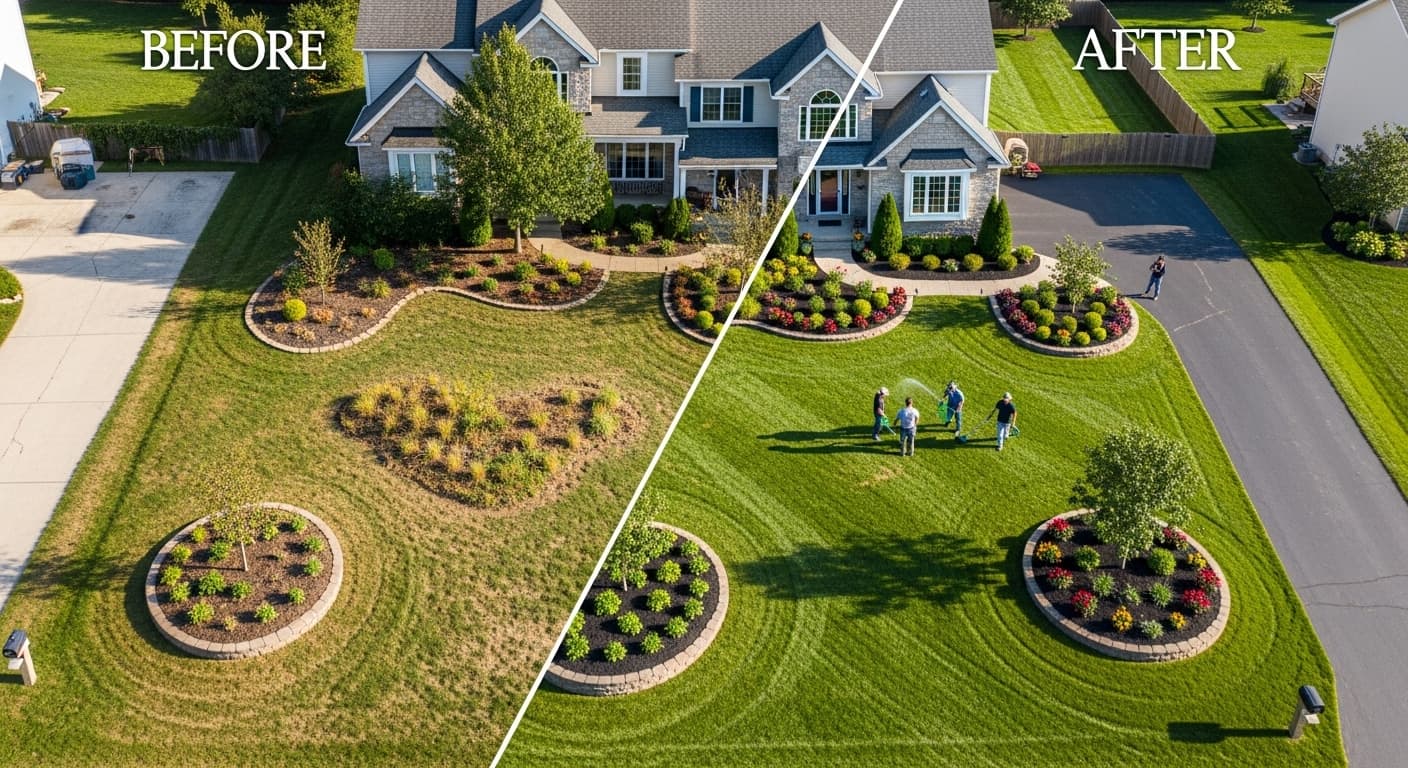
Landscaping Marketing: How to Stand Out in a Crowded Market
The landscaping market is crowded. Here is how to differentiate your company, rank on Google, and build a lead generation system that keeps your crews booked.
Read more
Local SEO for Contractors: How to Dominate the Google Map Pack
The Google Map Pack is where most contractor leads come from. This guide breaks down the exact local SEO strategies you need to rank in the top 3 — from citations and reviews to on-page optimization and content.
Read more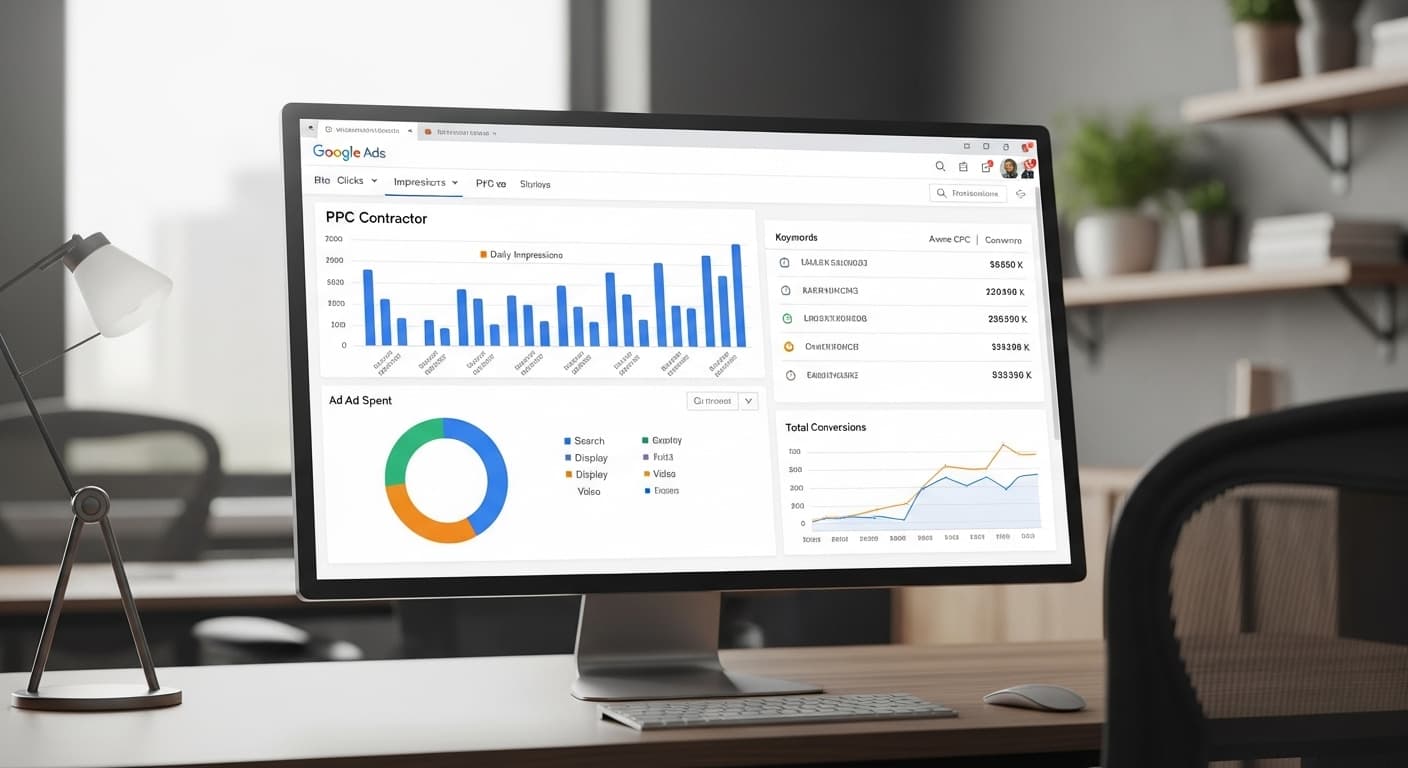
Google Ads for Contractors: Budget, Strategy & ROI Guide
Google Ads can be the fastest way to fill your pipeline — or the fastest way to burn cash. This guide covers budgets, bidding, campaign structure, and ROI benchmarks so you spend smart from day one.
Read moreReady to Put This Into Action?
Get a free SEO audit and see exactly where your contracting business stands.