Water Damage Restoration Contractor Marketing: Fill Your Emergency and Planned Jobs
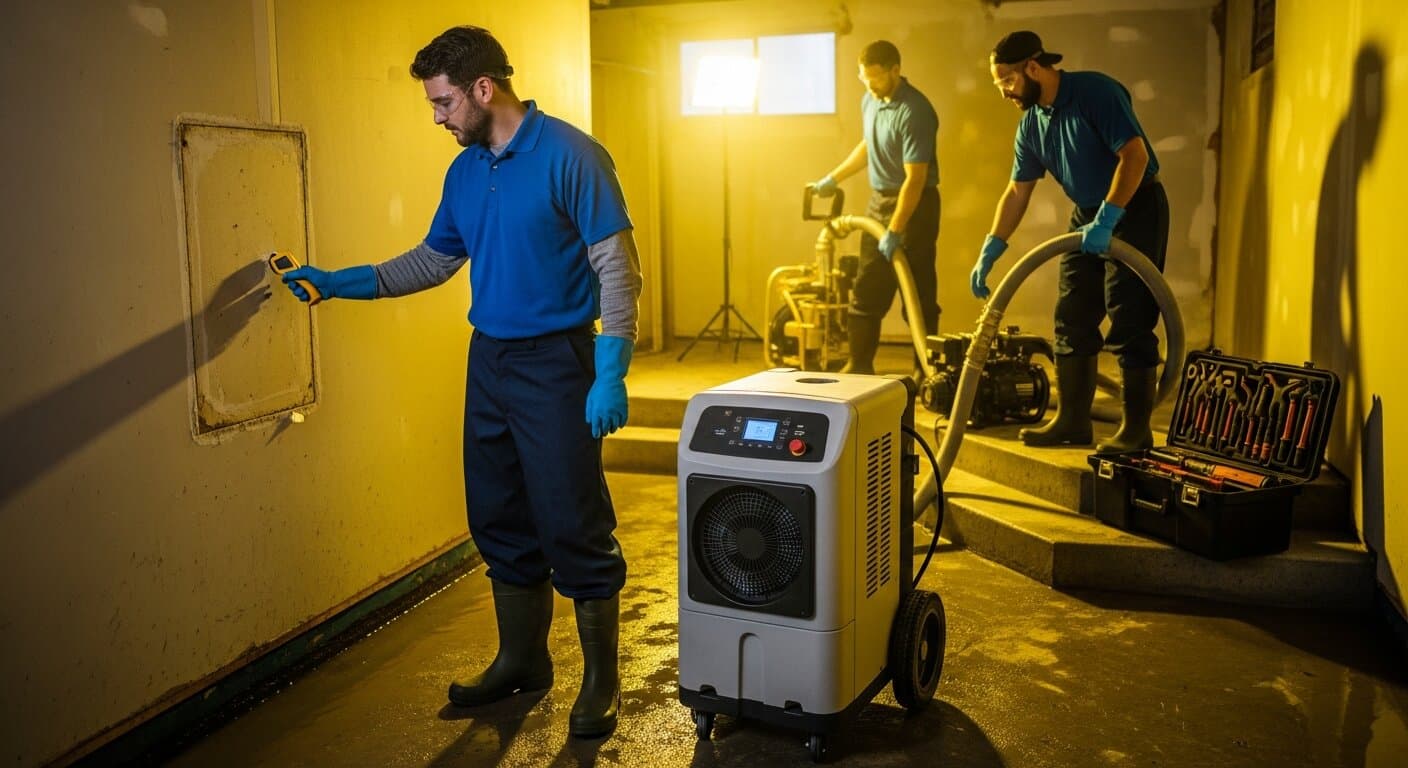
Water damage restoration is one of the most demanding businesses in the contracting world. You're selling emergency response to people who are terrified, running jobs that involve insurance companies, adjusters, and complicated documentation, and operating on call 24 hours a day.
Most restoration companies market reactively — waiting for the phone to ring. The companies that grow predictably do the opposite: they build systems that make the phone ring on demand, cultivate referral networks before they need them, and show up at the top of Google the moment a homeowner types "water damage near me" at midnight.
This guide covers water damage restoration contractor marketing from multiple angles: capturing emergency search traffic, building insurance referral pipelines, managing your reputation in a high-stakes industry, and sustaining lead flow between disaster events.
Understanding the Restoration Customer's Journey
Before you can market effectively, you need to understand how restoration leads are generated — because it's different from almost every other trade.
Emergency calls (60–70% of residential work): A pipe bursts, a basement floods, a roof leak soaks through the ceiling. The homeowner goes directly to Google: "water damage restoration near me," "flooded basement cleanup," "emergency water extraction." They call the first result they trust. Speed matters — every minute you're not visible on Google is a call going to a competitor.
Insurance-referred jobs (20–30% of work): The homeowner files a claim. The insurance company dispatches a restoration contractor from their preferred vendor list, or provides 2–3 names. If your company is on the preferred list, you get the call. If you're not, you don't — regardless of how good your website is.
Referral-driven work (10–20%): A plumber finds water damage while fixing a pipe. A real estate agent finds mold during a transaction. A property manager needs a contractor for a tenant emergency. These referrals come from professional relationships built before the crisis — not from advertising.
Each of these channels requires a different marketing approach. Here's how to build all three.
Channel 1: Dominate Google Search for Emergency Keywords
Contractor SEO for restoration businesses is built around capturing high-urgency, high-intent searches at the exact moment a homeowner has a crisis.
The Keywords That Drive Emergency Calls
| Keyword | Monthly Searches | Intent |
|---|---|---|
| water damage restoration near me | 74,000 | Emergency |
| flooded basement cleanup | 27,000 | Emergency |
| water damage repair | 49,000 | Emergency/research |
| emergency water removal | 18,000 | Emergency |
| water extraction service | 22,000 | Emergency |
| fire and water damage restoration | 12,000 | Insurance-claim |
| mold remediation near me | 33,000 | Post-damage |
| sewage cleanup | 14,000 | Emergency |
| storm damage restoration | 9,000 | Post-storm |
| water damaged ceiling repair | 8,000 | Research/DIY |
Target the emergency keywords first — these are the searches where being in position 1 vs. position 4 makes a significant revenue difference.
Optimize Your Google Business Profile for 24/7 Visibility
Your Google Business Profile is the single most important piece of your emergency marketing. When someone searches at 11pm, the Map Pack is what they see first.
Critical GBP optimizations for restoration:
- Mark your business as "Open 24 hours" or list your actual emergency hours — this filters out competitors who don't offer true 24/7 service
- Set your primary category as "Water damage restoration service" and add secondary categories: "Fire damage restoration service," "Mold remediation service"
- Add your IICRC certifications in the Services section and description
- Use the "Emergency service" attribute if available in your category
- Post weekly: storm warnings, "what to do if your basement floods" tips, before-and-after photos
Photos for a restoration GBP:
- Team arriving on-site with equipment (builds the "they show up fast" perception)
- Industrial equipment (dehumidifiers, air movers, moisture meters) — signals professional capability
- Dramatic before-and-after of water damage and completed restoration
- Your vehicles branded with your name and emergency number
Build Dedicated Landing Pages for Each Damage Type
Your website needs a separate page for each service and each cause of water damage:
- Water Damage Restoration (main service page)
- Flooded Basement Cleanup
- Burst Pipe Water Damage Repair
- Sewage Backup Cleanup
- Storm and Flood Damage Restoration
- Fire and Smoke Damage Restoration
- Ceiling Water Damage Repair
- Commercial Water Damage Restoration
- Mold Remediation (see our related guide on mold remediation contractor marketing)
Each page should rank independently for its specific keyword set. A "flooded basement cleanup" page can rank for 10–15 basement-specific keywords that your generic "water damage" page will never touch.
Channel 2: Run Google Ads for Immediate Emergency Coverage
When a homeowner searches at 2am during a flood, SEO takes months to build — Google Ads are available today. Google Ads for contractors are essential for restoration businesses, especially in the early stages.
The Emergency Ad Strategy
Emergency restoration keywords are competitive and expensive — $15–$40 per click in most markets. But with average job values of $4,000–$20,000, even a high cost per click is justified.
Campaign structure for restoration:
Campaign 1: Emergency/24-Hour Keywords
- Keywords: "emergency water damage," "water extraction near me," "flooded basement now," "water damage emergency"
- Ad schedule: 24/7
- Bid strategy: Maximize clicks or target impression share (you want to be in position 1 for emergencies)
- Ad copy: Lead with "24/7 Emergency Response," "On-Site in 60 Minutes," "Call Now — We Answer 24/7"
Campaign 2: Research/Planning Keywords
- Keywords: "water damage restoration cost," "how to fix water damage," "water damage contractor"
- Ad schedule: Business hours + evenings
- Landing page: More educational content with quote request form
- Bid strategy: Target CPA or Max conversions
Campaign 3: Specific Service Keywords
- Keywords: "sewage cleanup," "fire restoration," "storm damage repair"
- Dedicated landing pages per service
- Ad copy matches specific service type
The most important ad element: your phone number. Use call extensions prominently. For emergency services, many customers skip the landing page entirely — they just see your ad with a click-to-call button and dial. Make sure someone answers.
After-Hours Call Handling
The most expensive Google Ads mistake for restoration contractors is paying for emergency traffic that goes to voicemail. Every missed call at 3am is $200+ in wasted ad spend and a customer who called your competitor.
Solutions:
- Live answering service specifically trained for restoration intake
- Answering service + on-call dispatcher who can commit to a response time on the call
- Emergency intake chatbot on your website for customers who prefer not to call
Commit to a response time in your ads and on your website — and keep that promise. "On-site within 90 minutes" as a guarantee, consistently delivered, will generate more 5-star reviews than anything else you do.
Channel 3: Build Your Insurance and Referral Network
Google can make the phone ring. But the contractors who consistently fill their calendars have also built referral relationships that generate jobs without advertising spend.
Getting on Insurance Preferred Vendor Lists
Being on State Farm's, Allstate's, or Farmers' preferred restoration vendor list can add 20–50 jobs per year in a single market. Here's how to get there:
- Get IICRC certified. WRT and ASD certifications are often required. Some carriers also require specific business insurance levels ($2M+ commercial liability).
- Apply directly. Most major carriers have a vendor enrollment portal. Research the requirements for each carrier in your market.
- Build relationships with local adjusters. Attend local insurance industry events. Connect with independent adjusters (they handle claims across multiple carriers). Provide fast, documented responses — adjusters recommend contractors who make their jobs easier.
- Maintain a clean record. Disputes, complaints, or licensing issues will get you removed from preferred lists. Document every job meticulously and resolve disputes proactively.
Referral Partners Worth Cultivating
These professionals encounter water damage regularly and can be reliable referral sources:
- Plumbers — First on scene for burst pipes, slab leaks, and supply line failures
- Roofers — Encounter water intrusion and storm damage constantly
- Property managers — Responsible for multiple units, frequent water damage events
- Real estate agents — Transactions often reveal hidden water damage; their clients need a trusted contractor
- General contractors — Remodeling projects frequently uncover pre-existing water damage
- HVAC contractors — Condensate line leaks and HVAC-related water damage are common
- Insurance agents (not just adjusters) — Can recommend restoration contractors to new policyholders
- Home inspectors — Find moisture issues during inspections; can refer to restoration contractors
How to build referral relationships:
- Create a simple referral card or one-pager with your emergency number and key capabilities
- Offer a finder's fee or reciprocal referral agreement where appropriate
- Be the contractor who responds fastest and documents most thoroughly — referral partners protect their reputation too
- Check in quarterly with key partners, not just when you need business
For more on building referral systems, see our guide on contractor referral programs.
Building and Managing Your Reputation
In restoration, your reputation does more work than any marketing channel. A homeowner who just experienced a crisis remembers exactly how you made them feel — and they tell their neighbors. A single large-scale job handled poorly can generate multiple negative reviews. A job handled superbly during a nightmare situation generates referrals for years.
The Review Generation System
Reviews for restoration companies are uniquely powerful because the stakes of the service were so high. A 5-star review saying "They arrived in an hour, saved our floors, dealt with our insurance company for us, and got our home back to normal — I can't imagine going through this without them" closes more jobs than any advertisement.
When to ask: 24–48 hours after project completion, when the homeowner is in their restored home and the stress has passed.
How to ask: A personal text from the project manager, not an automated template. "Hi Mark — it was our honor to help your family through this. If you have 90 seconds, a Google review would mean a lot to our team: [link]."
Who to ask: Every completed job, without exception. Don't pre-screen — if you did good work, the reviews will follow.
Target metric: 80+ reviews at 4.8+. This is achievable within 18 months for an active restoration company. Read more in our guide on how to get more Google reviews as a contractor.
Managing Negative Reviews in a High-Stakes Industry
Restoration work sometimes generates complaints — jobs are stressful, homeowners are displaced, and communication gaps happen. How you respond to negative reviews matters as much as the review itself.
Response formula for negative restoration reviews:
- Acknowledge the frustration without admitting fault
- Express genuine regret that their experience didn't meet your standard
- Move to a private resolution: "Please call our manager directly at [number] so we can make this right"
- Never argue with specific claims publicly
Potential customers reading your response to a negative review are deciding whether to trust you. A calm, professional, resolution-focused response actually builds trust — more than the negative review damages it.
For a deeper look at reputation strategy, see our guide on contractor online reputation management.
Content Marketing for the Research Phase
Not every water damage call is an emergency. Homeowners who notice moisture, musty smells, or staining often spend days researching before calling anyone. Create content that captures them during this research phase.
High-value content for restoration contractors:
- "How to tell if you have hidden water damage"
- "What to do in the first 24 hours after a flood"
- "Water damage restoration cost: what to expect"
- "Will my insurance cover water damage restoration?"
- "How long does water damage restoration take?"
- "Drying vs. restoration: what's the difference?"
- "Can water damage lead to mold?" (links to mold remediation services)
- "How to file a water damage insurance claim"
These articles rank for long-tail keywords that emergency search terms won't capture. They also build trust and position your company as the authority — not just a service provider.
Commercial Restoration: A Higher-Value Market
Residential water damage jobs average $4,000–$8,000. Commercial restoration jobs — office buildings, apartment complexes, hotels, restaurants — average $20,000–$150,000+. The marketing approach is different.
Commercial restoration marketing requires:
- Direct sales outreach to facility managers, property management companies, and commercial building owners
- References from comparable commercial work
- Proof of commercial insurance limits ($5M+ often required)
- Documented SLA capabilities (response time guarantees, 24/7 project management contact)
- Relationships with commercial insurance carriers and their commercial adjusters
Build a dedicated commercial restoration landing page with case studies from commercial jobs (square footage, timeline, damage type, outcome). Commercial decision-makers do deep research before choosing a restoration vendor — they want proof, not promises.
Tracking and Attribution for Restoration Businesses
Restoration marketing is unique because your best leads often come from phone calls, not form submissions. Tracking these accurately is essential for making smart budget decisions.
Essential tracking setup:
- Call tracking numbers: Assign unique phone numbers to each marketing channel (Google Ads, GBP, website organic, referrals). Route all to your main number but log the source. This tells you your true cost per lead by channel.
- Lead source intake: Train your intake team to always ask "How did you hear about us?" and log it in your CRM.
- CRM for job tracking: Connect lead sources to closed jobs and revenue so you can calculate true ROI by channel, not just cost per lead. See our guide on contractor CRM setup.
- 24/7 call logging: Your emergency calls happen overnight. Make sure your tracking system logs them with timestamp and duration so you can see which campaigns are generating after-hours calls.
Key metrics to review monthly:
- Leads by channel (Google Ads, organic, referrals, GBP)
- Cost per lead by channel
- Close rate by lead source (insurance-referred leads typically close at 80%+; organic search leads at 25–40%)
- Average job value by lead source
- Revenue per marketing dollar
This data tells you where to put the next dollar. Most restoration companies investing in contractor lead generation find that Google Ads and referral development have the highest ROI, while social media and print advertising rarely justify their cost.
Building a Restoration Company That Scales
The restoration contractors we've worked with who consistently cross the $2M mark share these traits:
- 24/7 response capability with live answering and guaranteed response times — consistently delivered
- IICRC certifications across their team, prominently featured in all marketing
- Map Pack dominance in their primary market — top 3 for emergency keywords, with 100+ reviews at 4.8+
- Insurance relationships with at least 3–4 major carriers in their market
- A referral network of 10+ active professional referral partners generating 2–4 jobs per month
- Commercial capabilities that allow them to take on jobs residential-only contractors can't handle
If you're building toward this, the foundation is digital: Google needs to know you exist and trust you enough to show you in the Map Pack before your phone rings consistently. That means SEO, reviews, and Google Ads working together.
Ready to generate more water damage restoration leads? Get your free SEO audit — we'll analyze your local search visibility, your GBP optimization, and where your competitors are outranking you for emergency keywords. RankWeld has helped restoration contractors build lead systems that don't depend on disaster events to keep the calendar full.
Recommended Service
Marketing Built for Your Trade
We only work with contractors. Every strategy, campaign, and website is built specifically for the trades. See what we can do for your industry.
See All ServicesRelated Articles
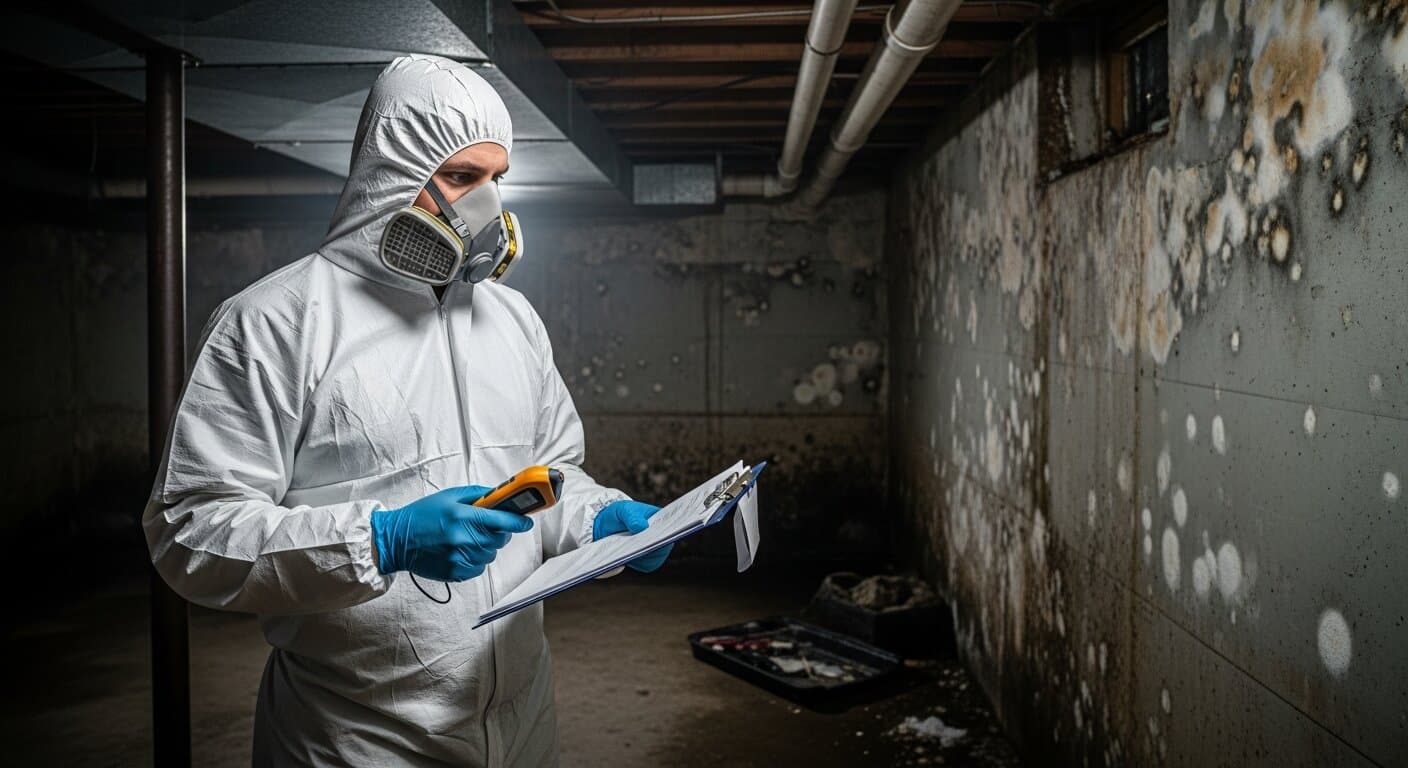
Mold Remediation Contractor Marketing: How to Get More Jobs
Mold remediation is one of the most profitable trades in home services — but most companies struggle to market it effectively. This guide covers the exact strategies that fill your schedule with high-ticket jobs.
Read more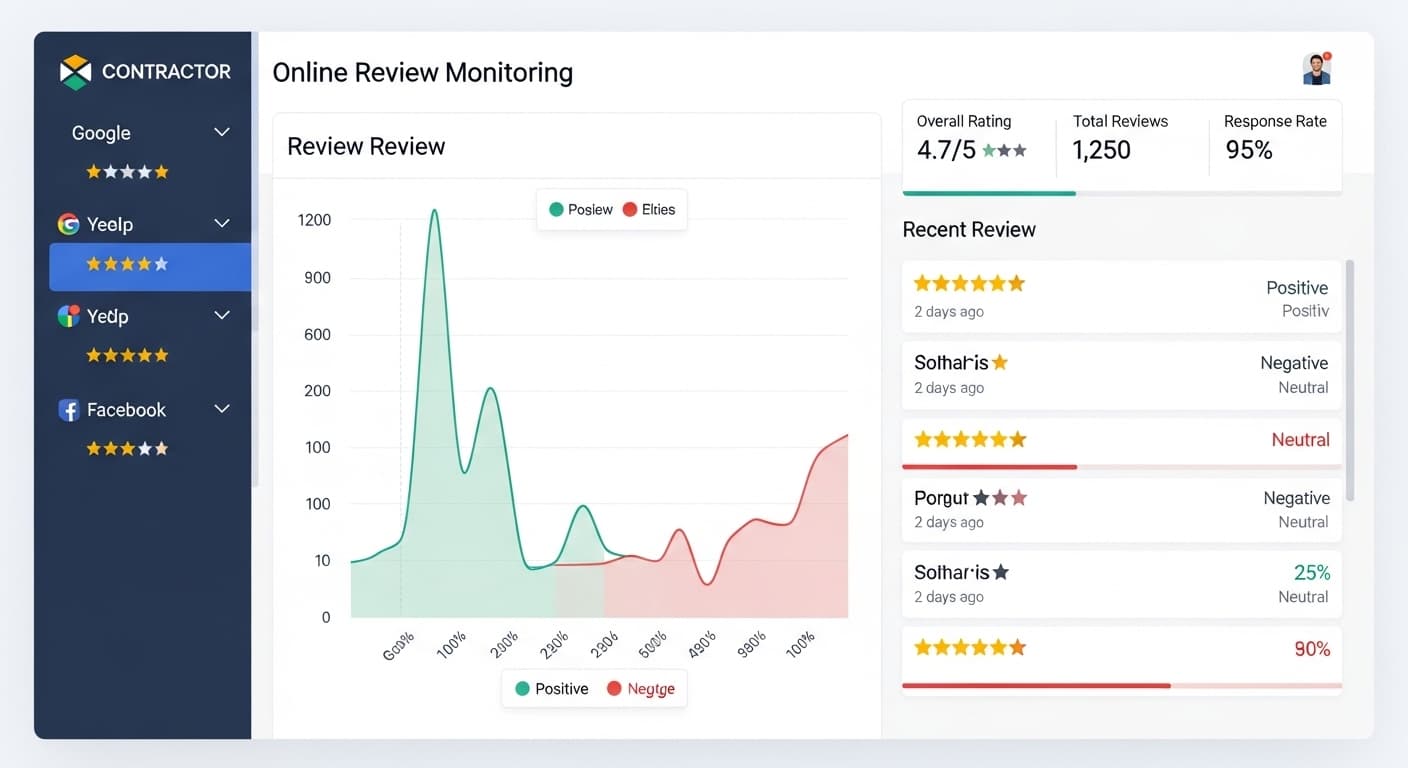
Online Reputation Management for Contractors: A Complete Guide
Your online reputation is your most valuable marketing asset. Learn how to build, protect, and leverage your contractor reputation to win more jobs and charge premium prices.
Read more
How to Get More Google Reviews as a Contractor
Google reviews are the #1 trust factor for homeowners hiring a contractor. This guide gives you a step-by-step system for getting more reviews consistently — including scripts, timing, and automation tools.
Read more
Google Ads for Contractors: Budget, Strategy & ROI Guide
Google Ads can be the fastest way to fill your pipeline — or the fastest way to burn cash. This guide covers budgets, bidding, campaign structure, and ROI benchmarks so you spend smart from day one.
Read moreReady to Put This Into Action?
Get a free SEO audit and see exactly where your contracting business stands.